2025-2026
State of Asylum Podcast Mini-Series Released
In March 2026, CPCS Affiliate, Dr Natasha Saunders, and Professor David Herd released their podcast mini-series, State of Asylum, as part of the Scottish Council on Global Affairs’ State of the World Initiative. The State of Asylum podcast is your gateway to understanding the lived realities of the UK asylum system. Discover the voices and stories that don’t make it into mainstream media coverage. Across four episodes, and centring the voices and insights of experts by experience, Dr Saunders and Prof Herd explore Sanctuary, Detention, Housing, and Right to Work.



Small Grants Awarded from the Scottish Council on Global Affairs
In February 2026, CPCS affiliates Dr Norma Rossi and Dr Natasha Saunders, and PhD affiliate Agustin Hernandez Berea, were awarded two small grants from the Scottish Council on Global Affairs’ State of the World Initiative. The initiative supports a series of events, papers, and podcasts exploring how international developments shape Scotland’s economy, health, education, environment, and more.

‘MILITARISING THE FIGHT AGAINST CRIME?‘
‘Militarising the Fight Against Crime? Lessons for Scotland’ by Dr Norma Rossi and Agustin Hernandez Berea will bring together extensive Scottish and international expertise on the effects of militarising crime control in the UK and globally. This trend, strongly supported by far-right parties and rhetoric, demands urgent attention. The project examines its socio-political impacts and its influence on the structure, identity, and role of the armed forces. A roundtable will be held on 26 March (details will be circulated soon).

‘STATE OF ASYLUM‘
Dr Natasha Saunders, along with Prof David Herd of the Centre for the Critical Reimagining of Human Rights, will produce a 4-episode podcast miniseries called ‘State of Asylum’, which features the stories of experts by experience to examine sanctuary, detention, housing, and Right to Work. The two will also host a roundtable on 18th March, on ‘Current Issues and Future Directions in UK Asylum Policy’, and a policy-maker workshop at the end of March exploring the challenges and possibilities at the intersection of asylum and human rights in Scotland.

NOVEMBER 2025
Dr Jaremey McMullin, Senior Lecturer in International Relations and Director of CPCS, was invited to be a Distinguished Speaker by the Institute for Autonomy and Governance (IAG) in the Philippines at the international conference, After the Peace Agreements: The Bangsamoro and Beyond, held in Manila from 17–19 November 2025. The conference, in cooperation with the Presidential Adviser on Peace, Reconciliation, and Unity of the Philippines and the Southeast Asian Women Peace Mediators, was funded by Australian Aid to highlight peacebuilding achievements and strengthen collective understanding of the opportunities and challenges facing the Bangsamoro and other post-conflict communities.
His invitation came at the suggestion of Professor Miriam Coronel-Ferrer (Southeast Asian Women Peace Mediators; University of the Philippines) to recognise Dr. McMullin’s expertise on the effects of stigmatisation on ex-combatant reintegration and to address the evidence base of how ex-combatants, communities, and officials have worked together in parallel contexts to prevent stigma and foster social inclusion of ex-combatants after war. Professor Coronel-Ferrer is the first woman globally to sign a final peace accord with a non-state armed group as chief negotiator. His keynote presentation addressed post-conflict pathways of former fighters in the political, civic, and economic spheres.
Other Distinguished Speakers came from senior levels of government and civil society and featured representatives from armed movements and major political parties from diverse post-conflict contexts, including from the Bangsamoro Autonomous Region in Muslim Mindanao in the Philippines, Aceh in Indonesia, Timor-Leste, and the Autonomous Bougainville Government.

Awards & Media for Works by Dr Nicholas Barnes
Dr Nicholas Barnes secured the following awards for his research on resisting criminal violence:
- 2025; Impact Main Award, University of St Andrews, with Eduardo Moncada and Luna Borges (£14,980)
- 2025; Columbia University, President’s Global Innovation Fund, with Eduardo Moncada and Luna Borges ($25,000)
- 2025; Harry Frank Guggenheim Foundation, Distinguished Scholar Award, with Juan Masullo ($42,750)
- 2025; Leverhulme Trust, Research Fellowship (£64,247)
- 2024; Royal Society of Edinburgh, Personal Research Fellowship (£49,995)

NOVEMBER 2025
Read Dr Nicholas Barnes’ piece, ‘¿Estará Río de Janeiro más segura después de la Operación Contención?’ (Is Río de Janeiro safer after Operation Containment?) published in El País.

NOVEMBER 2025
Read Dr Nicholas Barnes’ piece, ‘Why the War on Crime Threatens Democracy,’ in the Journal of Democracy.

JUNE 2025
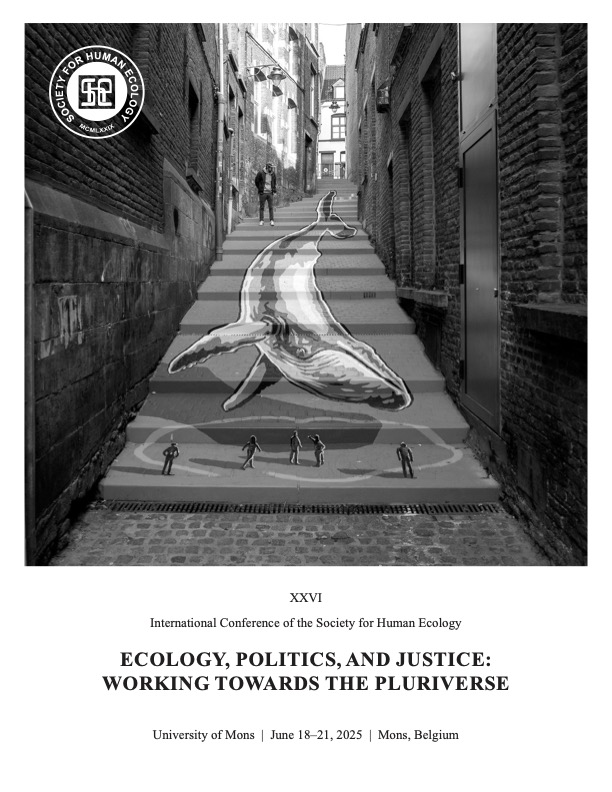
Dr Ariadne Collins, Lecturer in International Relations, delivered a keynote address themed around her book, Forests of Refuge: Decolonizing Environmental Governance in the Amazonian Guiana Shield, at the 2025 International Conference of the Society for Human Ecology.
2024-2025
Recognition for Films & Works by Dr Jaremey McMullin
MARCH 2025
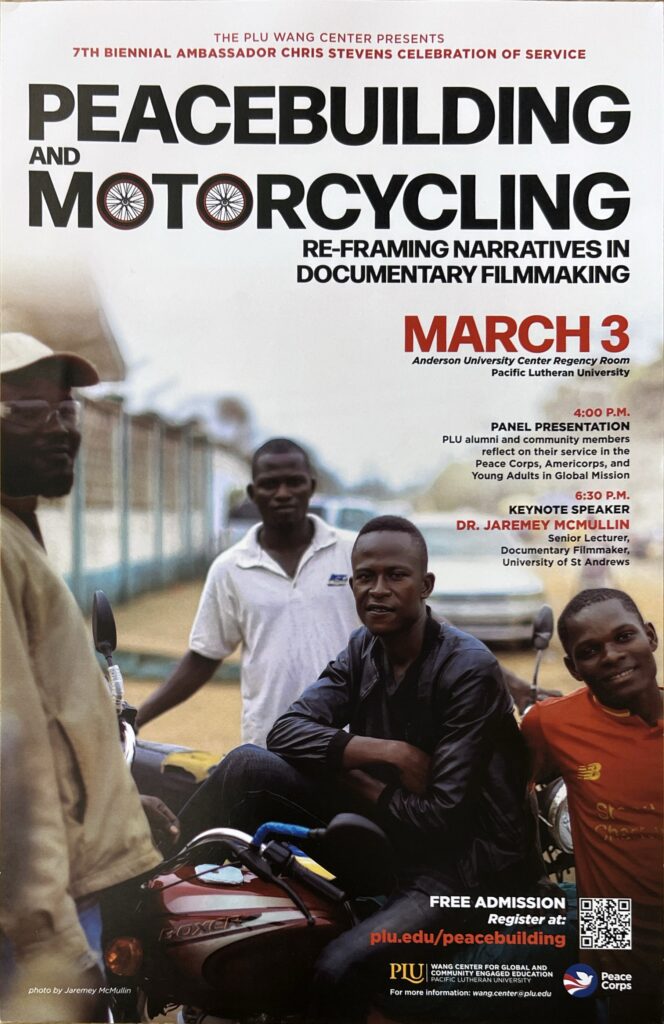
Dr Jaremey McMullin, Senior Lecturer in International Relations and Director of CPCS, delivered the keynote presentation for the 7th Biennial Ambassador Chris Stevens Celebration of Service at Pacific Lutheran University in Tacoma, Washington on 3 March 2025. His address, ‘Peacebuilding and Motorcycling: Re-Framing Narratives in Documentary Filmmaking,’ can be viewed here, beginning at the 02:54:20 mark. As part of the daylong event, Dr. McMullin also convened a workshop on peacebuilding and mediation for PLU students, faculty, and staff, drawing on his cross-border dialogue project in the Mano River Basin in West Africa to discuss its broader applications as a peacebuilding strategy in local US community contexts.

JUNE 2024
Best Man Corner, a documentary short film directed by Dr. Jaremey McMullin, Senior Lecturer in International Relations and CPCS Director, was reviewed in Civil Wars, Vol. 26, No. 3, 2024.
“Best Man Corner asks the reader to consider where peace is built and whose stories count as ‘peace’ stories […] It offers the viewer a novel entry point to reveal often overlooked elements of the everyday politics of survival, the agency of young people and the dynamics of societies in the aftermath of conflict through a visual medium that enables the audience to see and understand the lived experiences of these young men, their hustling as a place which can be fraught but simultaneously where peace is being built. In this film McMullin makes a compelling argument to broaden our field of view when it comes both to engaging with and creating knowledge on conflict and its afterlives.”
Best Man Corner is one of five films comprising the documentary series, Liberia: Legacies of Peace.
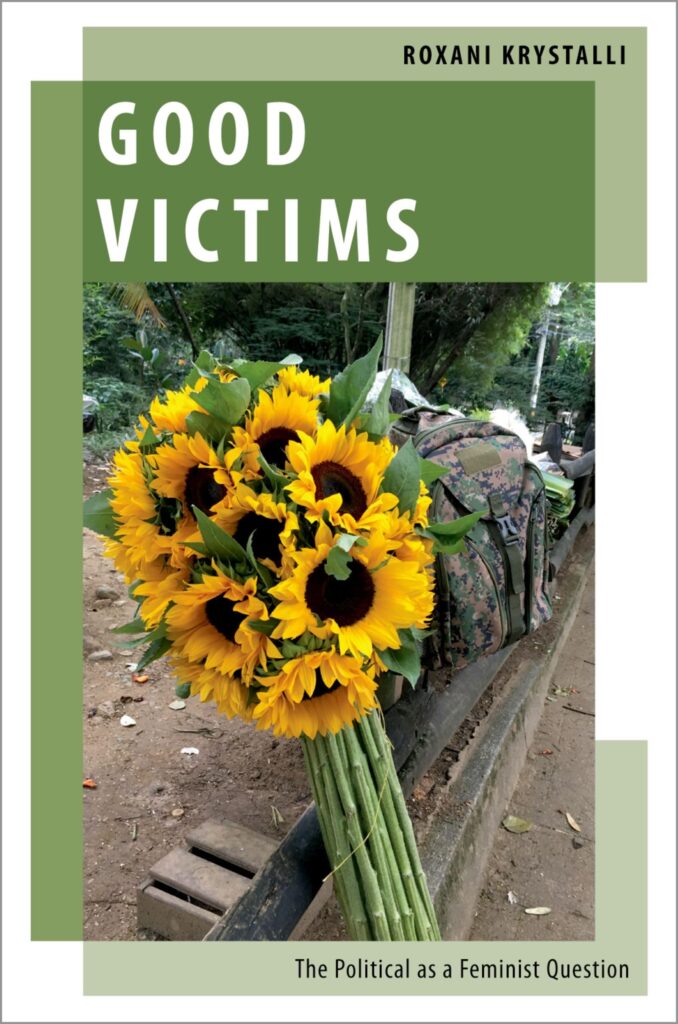
Praise for Good Victims: The Political as a Feminist Question
Dr Roxani Krystalli, Senior Lecturer in International Relations
Awards and recognition:
Additional coverage of Good Victims:
NOVEMBER 2024
Interview with Alexander Diamond in New Books Network’s Ethnographic Marginalia
Book Talks
Dr Krystalli also gave book talks at Boston University, Georgetown University, Oxford University, Queen Mary University of London, Tufts University, University College London, University of Amsterdam, University of Birmingham, and University of St Andrews.
2021-2022
OCTOBER 2021
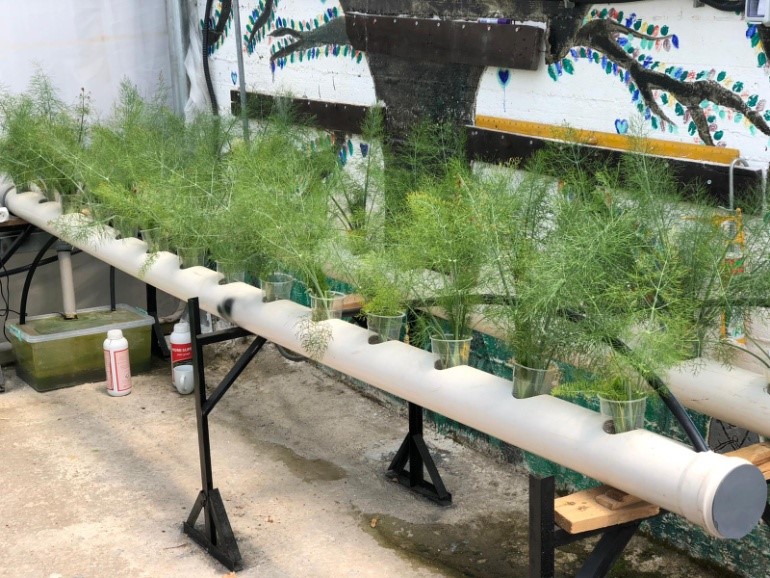
Supported by the CPCS’s Refugee Entrepreneurial Fund, the Lajee Centre’s hydroponic roof garden in Bethlehem is featured in this article in The National News. Read more about how the project has developed and how the Refugee Entrepreneurial Fund has been involved here.
Media for Nation to Nation: Scotland’s Place in the World
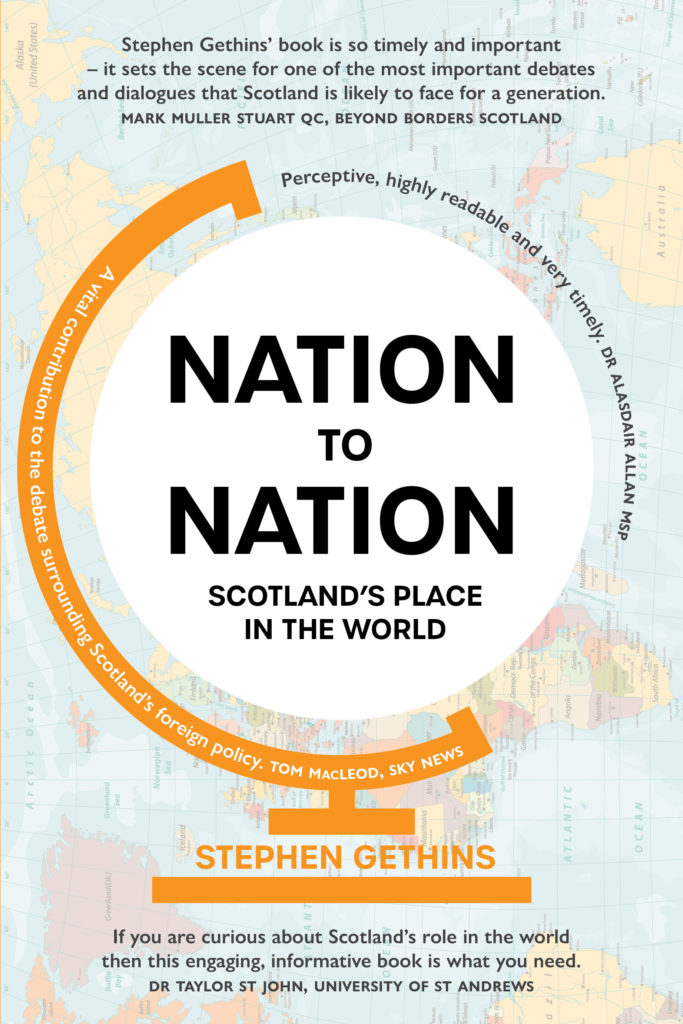
Stephen Gethins, Professor of Practice in International Relations


Reviews
APRIL 2021
The Scotsman – Book review: Nation to Nation: Scotland’s Place in the World, by Stephen Gethins
BrusselsMorning – Nation to Nation – Can Scotland carve out its own foreign policy?

Commentary
MARCH 2021
The Times – Scotland can find its place in the world again | Scotland
Centre for Constitutional Change – A Debate on Scotland’s Place in the World is Long Overdue
The Courier – Former SNP MP Stephen Gethins: Why Global Scotland must develop its ‘soft power’ and decide on its place in the world

Podcasts
MARCH 2021
Iain Dale’s book club – Iain Dale’s Book Club: Chapter 122 : Stephen Gethins on Apple Podcasts
SEPTEMBER 2021

Media for Liberia: Legacies of Peace
Documentary Short Film Series
Dr Jaremey McMullin, CPCS Director and Senior Lecturer in International Relations
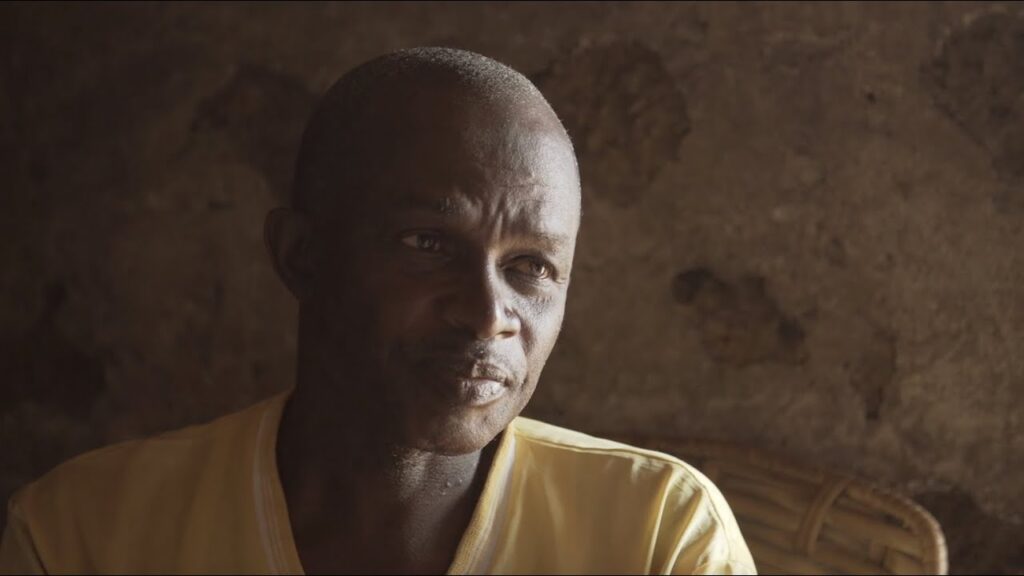
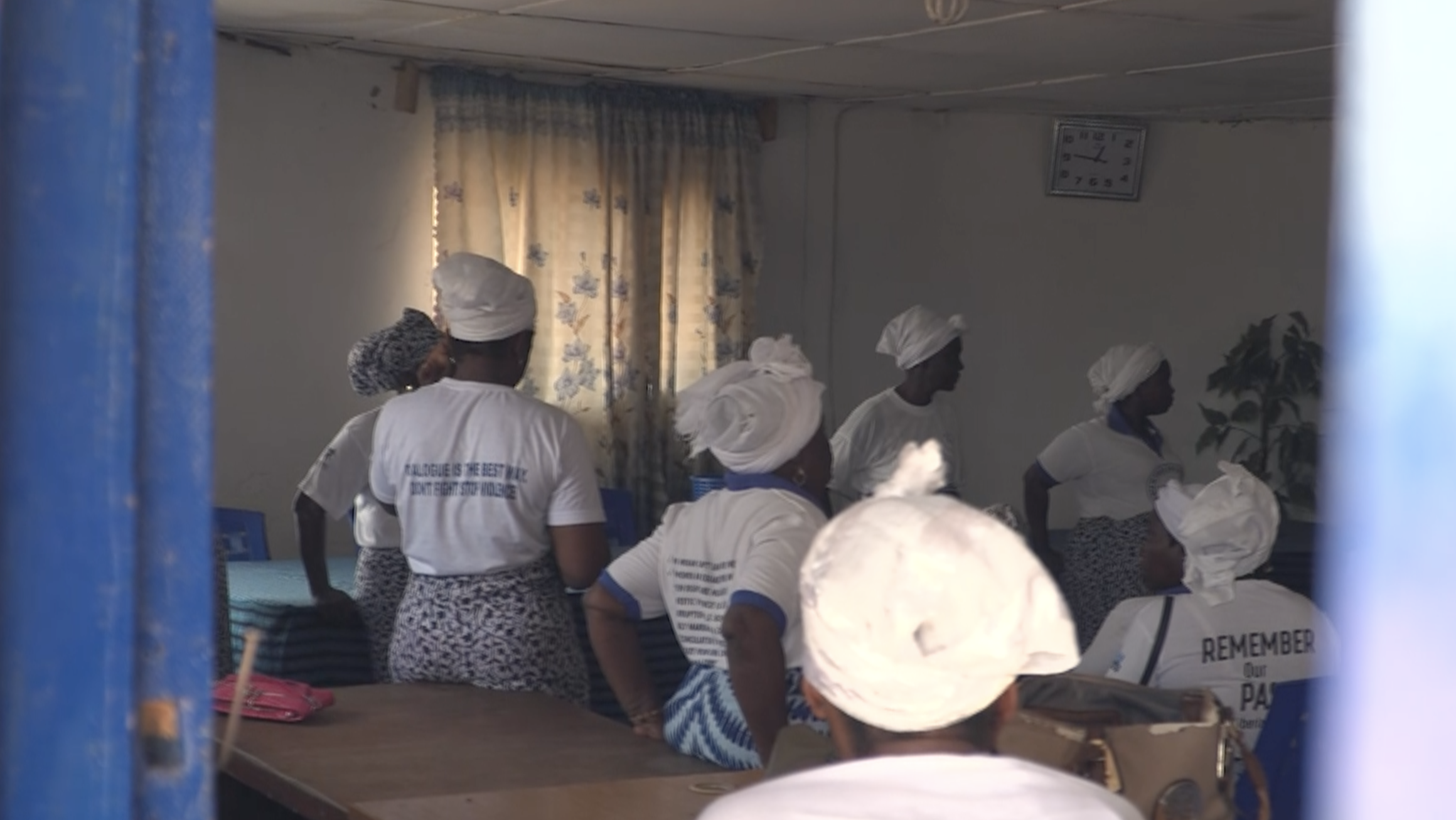
PEACE HUT
Semi-Finalist, World of Film International Film Festival, Glasgow, 2021
Official Selection, Film for Peace, Toronto, 2021
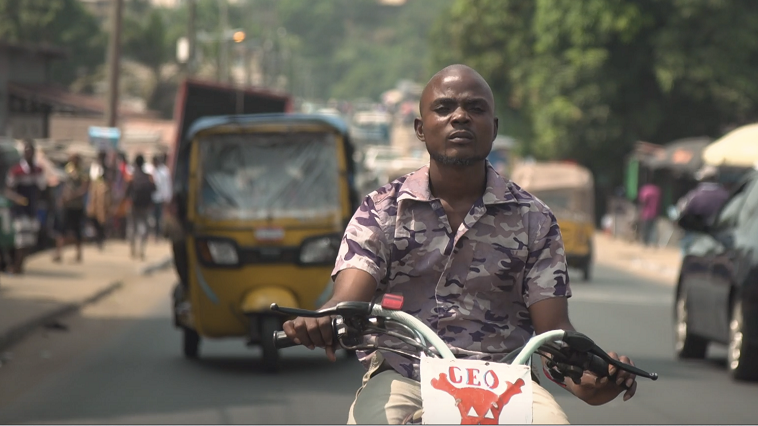
BEST MAN CORNER
Winner, Best Foreign Short Film, The Motorcycle Channel Film Festival, Newburgh, New York, 2022
Winner, Best Documentary Short Film, MotoTematica—Rome Motorcycle Film Festival, 2021
‘Tra moto e cinema nella Cittá Eterna,’ Leggere:tutti (Italian monthly publication of books and letters) 8 July 2021.
‘Rome Motorcycle Film Festival: i vincitori,’ Cinecittà News, 5 July 2021.
‘MotoTematica Motorcycle Film Festival: The films in competition,’ Reutir, 6 July 2021.
Official Selection, 5th annual Toronto Motorcycle Film Festival, 2021
TMFF 2021 Talks | Dr McMullin and Kirsten Midura (Founder, Engines for Change and TMFF Judge Panelist) discuss Best Man Corner:
© TMFF Motorcycle Film Festival
Media for ‘The Politics and Hierarchies of Victimhood’
& Other Works by Dr Roxani Krystalli

JULY 2021
Dr Roxani Krystalli wrote an op-ed for Kathimerini (a major Greek newspaper) on the importance of naming patriarchy and the relevance of the term femicide for understanding gendered patterns of violence in Greece and beyond.

JANUARY 2021
Dr Roxani Krystalli was quoted in an Al Jazeera news article on refugee women’s entrepreneurship in Greece. Dr Krystalli said:
“Many stories about women asylum-seekers frame them either as abject victims or as subjects in need of empowerment, both narratives can fail to capture the full texture of these women’s experiences.
“Empowerment can often be patronising and limited in its understanding of how women already experience and exercise power: women are not summed up in their victimisation, nor is the status of being a victi or survivor of war entirely void of agency and power.“

SEPTEMBER 2020
Dr Roxani Krystalli was quoted in Al Jazeera on the importance of refugee-centred storytelling. Dr Krystalli said refugee-owned narratives are important to show the breadth of the experience:
“A key issue is that much humanitarian, journalistic, and academic interest in the lives of refugees centres on their experiences of violence, loss, and trauma. While those are significant, refugees also have stories of joy and care – and many refugees want to narrate those because they are as true a part of their experience as their losses. Centring refugee voices can allow for a fuller, more textured story of the refugee experience to emerge beyond the single narrative of violation.“
Media for ‘Prison Hunger Strikes as Civil Resistance’
& Other Works by Dr Malaka Shwaikh

JUNE 2021
Dr Malaka Shwaikh’s work was highlighted in Jadaliyya: ‘Salt and Water: An Ode to Ghadanfar Abu Atwan and Bassel Al-Araj” by: Ayah Abo-Basha. The English article is available here and the Arabic translation here.

JUNE 2021
Dr Malaka Shwaikh’s work was noted in ‘Are There No Male Civilians in Palestine?’ in the Humans of Human Rights by Anchal Agarwal and Teresa Döring.
MARCH 2021
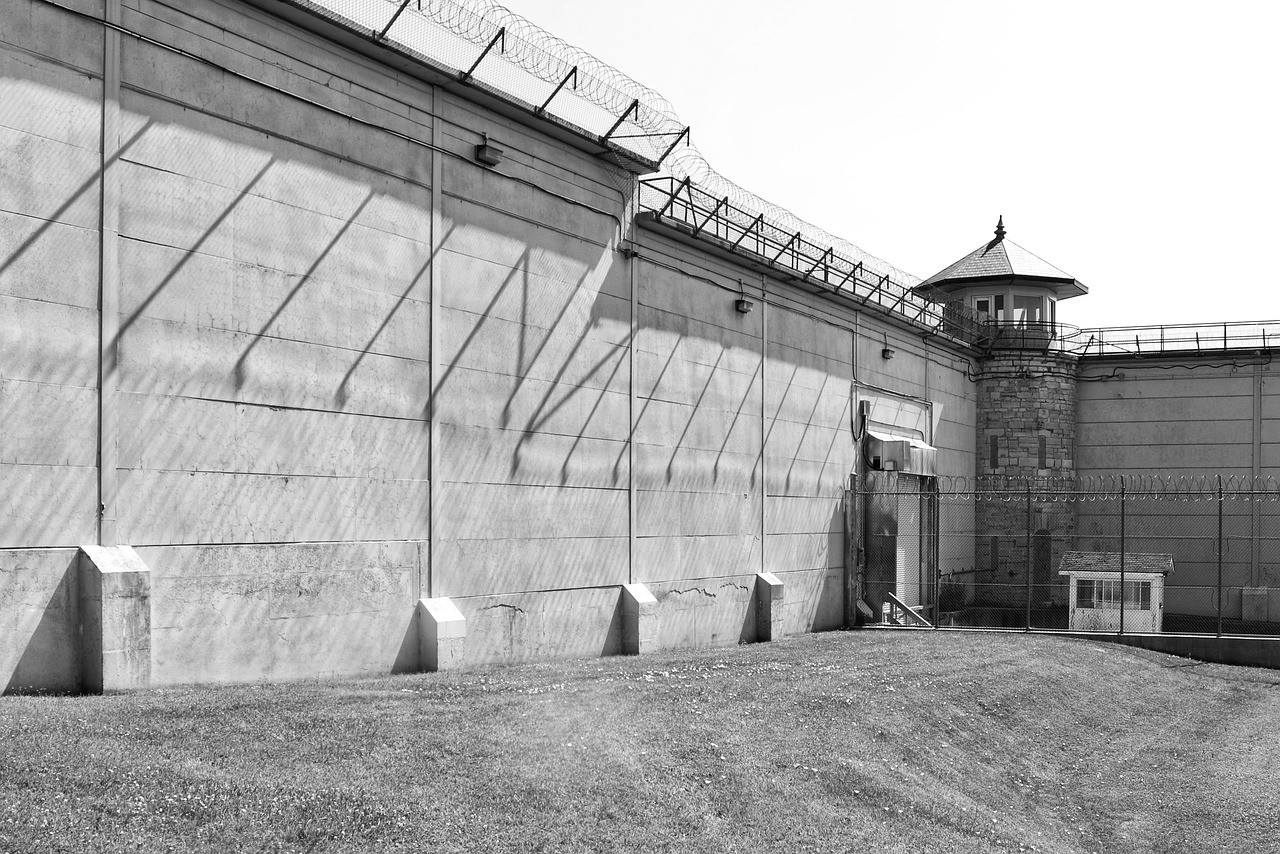
Dr Malaka Shwaikh’s work on hunger strikes and women prisoners’ dual resistance to both the patriarchal norms and colonial prisons in Palestine was highlighted in an interview with Professor Caron Gentry in E-International Relations.
FEBRUARY 2021
Dr Malaka Shwaikh was quoted on women’s roles in media and its relations to peacebuilding in the global south in Norwegian newspaper Vårt Land: ‘En annerledes koronavirkelighet når kvinner formidler’ by Av Lea Heljesdatter Kvadsheim.
FEBRUARY 2021
Dr Malaka Shwaikh’s chapter “Translation in the War-Zone”(2020) was quoted in the Independent by Tala Shurrab on how through the Palestinian anti-colonial struggle, we seek “to exercise the fundamental right to represent ourselves with our own voices, language, and words.
MAY 2021
Dr Malaka Shwaikh’s work on hunger strikes is highlighted by Rebecca Ruth Gould in her piece ‘Palestine is a Litmus Test of Our Capacity to Change the World’ in the SWAMP.
OCTOBER 2020
Dr Malaka Shwaikh’s work on resilience is highlighted by Roxani Krystalli in her piece “Women, Peace, and Victimhood” in the IPI Global Observatory.
2020
Dr Malaka Shwaikh’s chapter “Translation in the War Zone” (2020), is quoted in an article in al-Jazeera on education as a means of resistance.
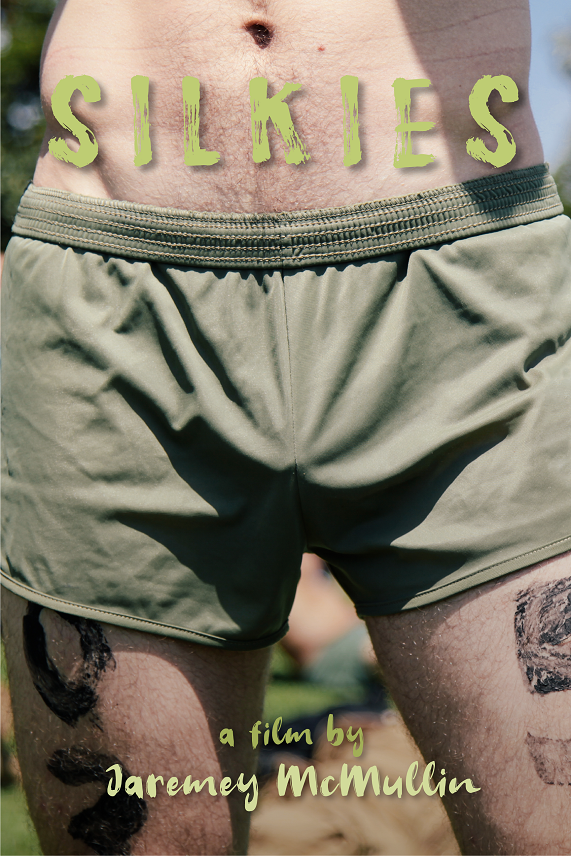
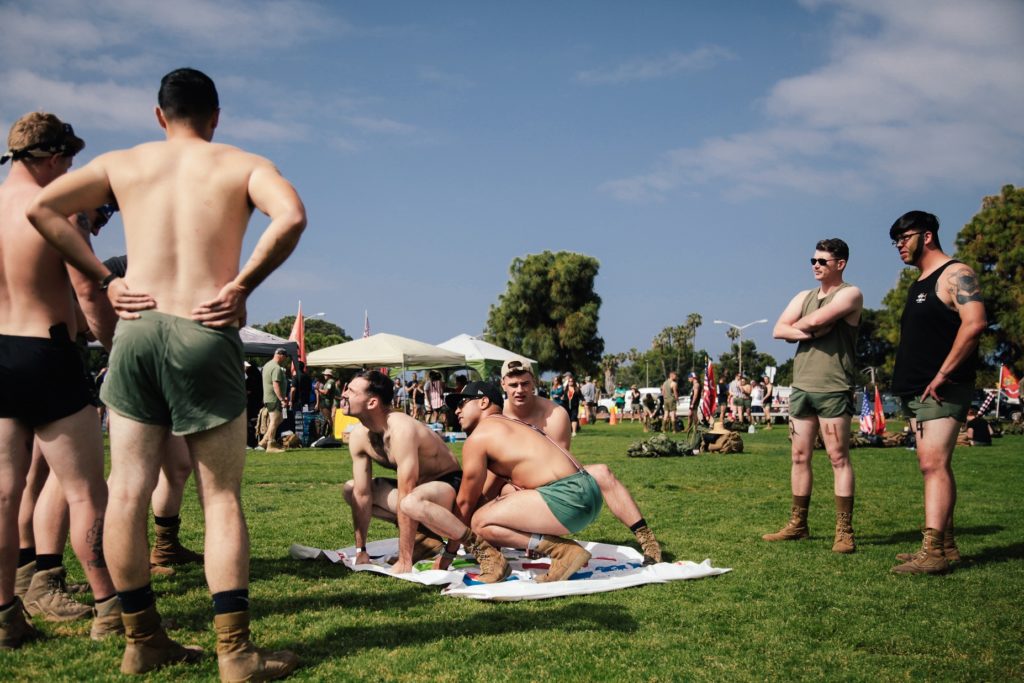
Prizes, Recognition, & Media for Silkies, a documentary short film directed & produced by Dr Jaremey McMullin, Senior Lecturer in International Relations

Prizes & Film Festival Selections
Winner, Best Documentary, 2nd annual Join the Craic Film Festival, Ulster University
Official Selection, 9th annual San Francisco Veterans Film Festival
- Mention in San Francisco Examiner
Official Selection, 14th annual Red Rock Film Festival, Red Grid Competition Screening, Utah
- Mention in Cedar City News
- Mention in St George News
- Mention in Southern Utah Independent
- Mention in Greater Zion
Official Selection, 3rd annual MHSA Film Festival, Aurora, Colorado
Invited Screenings & Presentations
FEBRUARY 2021
“Veterans’ Agency in Silkies,” Marburg University, Germany
Invited Blog
AUGUST 2021
‘These Little Green Shorts,’ International Feminist Journal of Politics, IFJP Blog, 22 Mar 2021.
Media for ‘Motorcycling as Peacebuilding’
Dr Jaremey McMullin, CPCS Director and Senior Lecturer in International Relations
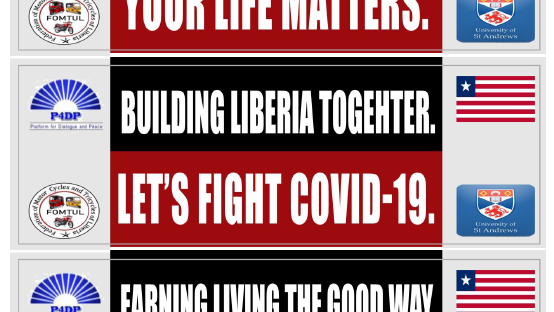
JULY 2020
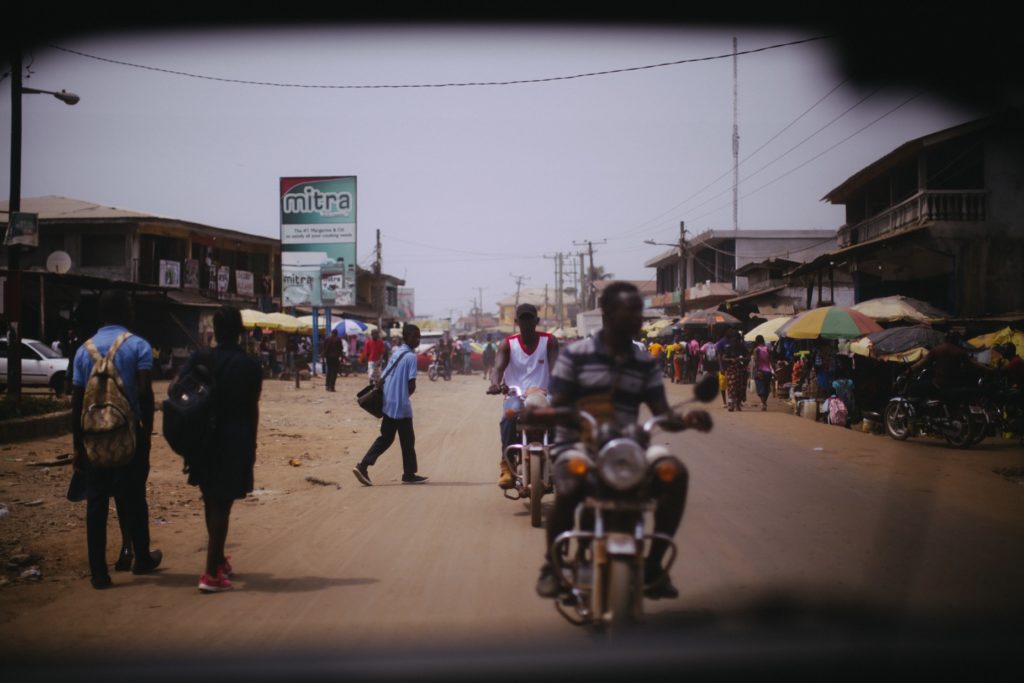
‘Platform for Dialogue Launches & Distributes Bumper Stickers to Counter Stigma, Fight COVID-19,’ Liberia Broadcasting System, 29 July 2020.

AUGUST 2020
‘Liberian Research Group P4DP Restoring Motorcyclists’ Pride,’ Front Page Africa, 3 Aug 2020.
2019-2020
APRIL 2020
From ‘In the Loop’, Issue 391
“Yasmin Ahmed, Legal and Sanctions Advisor to the British Embassy in Somalia, took part in an online discussion session on Wednesday (15 April) with students from the School of International Relations.
“Yasmin, who works closely with the United Nations (UN) on the arms embargo and partial sanctions on Somalia, was joined by Sara Abbas, a Sudanese decolonial scholar to discuss her PhD research on Sudan and her latest visit to the country, which is not very accessible to scholars and practitioners.
“Organised by Dr Malaka Shwaikh, Associate Lecturer in Peace and Conflict Studies, student questions ranged from the role of Yasmin and Sara as women of ‘diaspora’ in their home country, the dynamics of working with the UN and NGOs within Africa and the significance, if any, of the recent lift of sanctions on Sudan. This is part of a four-week programme, where Dr Shwaikh has invited external speakers to discuss intersectionality/feminism, decoloniality, critical peace, and the grassroots approach to peacekeeping to link in-class academic discussion with the reality on the ground the way practitioners of peace and conflict studies see it.”