What are the most pressing debates in peace and conflict studies today? In this blog, third-year IR students (of IR3048 and IR3038) engage critically with diverse topics of peace and conflict. The blogs are purely reflective, and Dr Malaka Shwaikh recommended using non-academic resources and to rely as much as possible on the discussion done within tutorials and during external speakers sessions. The blogs cover several thought-provoking topics from reflecting on ‘white saviourism’, to how linguistic concepts such as resilience and empowerment may lead to more harm than good, and questioning the role of the UN in peacekeeping today.
Remembering Without Wounding: The Ethics of Memory in Spain’s Transition
By Irene Jimenez Fernandez De Moya
I grew up believing that Spain’s transition to democracy was a triumph: we had turned the page on a civil war and a dictatorship without tearing ourselves apart. However, the more I spoke with people from different generations and backgrounds, the more fragile that narrative seemed. As a Spaniard raised in a society that preferred silence to confrontation, I realised how deeply that legacy shaped my understanding of peace. Beneath this story of reconciliation lie more than a hundred thousand missing bodies, neighbours who disappeared on both sides of the front. What kind of peace is built on silence?
Show More
The so-called ‘Pacto del Olvido’, the “pact of forgetting”, was not a gesture of forgiveness, but an agreement to stop asking questions. In 1977, the Amnesty Law drew a line under the crimes committed during both the Civil War and the dictatorship. There would be no trials, no official recognition, and no search for truth, neither for those executed under Franco’s repression nor for those killed in revolutionary purges. Institutional amnesia became a form of governance: a way to protect a fragile democracy from its own divisions. At the time, this silence may have been necessary; Spain’s transition managed the conflict but never resolved it.
The so-called ‘Pacto del Olvido’, the “pact of forgetting”, was not a gesture of forgiveness, but an agreement to stop asking questions. In 1977, the Amnesty Law drew a line under the crimes committed during both the Civil War and the dictatorship. There would be no trials, no official recognition, and no search for truth, neither for those executed under Franco’s repression nor for those killed in revolutionary purges. Institutional amnesia became a form of governance: a way to protect a fragile democracy from its own divisions. At the time, this silence may have been necessary; Spain’s transition managed the conflict but never resolved it.
For many families, the desire to “turn the page” was an act of collective survival. After forty years of authoritarian rule, the fear of reopening old wounds outweighed the need for justice. However, peace built on silence is never permanent. When the 2007 Historical Memory Law sought to honour the victims, it brought long-overdue recognition to some yet also caused discomfort for others who had privately reconciled with their loss. The problem was not remembrance itself, but the way it was instrumentalised. Political parties turned memory into a banner rather than a bridge.
The 2019 exhumation of Francisco Franco’s remains once again exposed that fragility. What could have been a solemn act of closure instead became a political spectacle, deepening divisions among people whose parents were barely children at the time of his death. Although symbolically important, the gesture revealed how remembrance can be used mishandled, reigniting tensions rather than healing them. It demonstrated that Spain is still grappling with its past, not through dialogue, but through competing narratives.
I can sense this tension re-emerging. After decades of democratic stability, the ghosts of the past are resurfacing amid growing polarization. Words like feminism, republic, or patriotism have become symbols rather than ideas. Memory, which should unite us through empathy, now risks dividing us once again. The silence of the transition prevented open conflict, but its avoidance of truth left unresolved emotions that resurface whenever history is invoked for political gain.
Humanising war is impossible, but we can humanise its memory. Remembering should serve compassion, not ideology; recognition, not resentment. Spain’s mistake was drawing a heavy curtain over its history, but the danger today lies in tearing it down without care—memory matters, but only when it heals rather than wounds. To remember ethically is to reconcile; to remember politically is to reopen the very conflict we once tried to forget.
Figure 1: Franco’s exhumation in 2019 reignited debate about Spain’s Historical Memory Law
By Laura Hamptom
The state of ‘peace’ in Northern Ireland (NI) following the Good Friday Agreement in 1998 remains fragile with the issue of justice largely unaddressed. Riots at the site of peace walls are totemic signposts of a state that hasn’t moved far in pursuing justice. This blog will reflect on the question; can peace be maintained while issues of justice remain unaddressed?
Show More
While the agreement has enabled a generation to grow up out with the troubles and the violent scenes which grasped the country for the 30 years prior. It has far from solved grievances surrounding justice, leaving NI in a fragile state, with riots such as that illustrated above exhibiting the irony of the stability of peace. The Agreement has effectively placed a band aid over wounds of victims and their families in terms of justice, and it is no surprise those wounds become unearthed is ways that directly impact the state of peace. Can this be classed as a ‘bad peace’ or is such conflict inevitable in a post-conflict peace society?
In an article surrounding ‘No justice, No peace’ and the Black Lives Matter protests, the study noted that the failure of efforts in dialogue between activists and the police in pursuit of justice must be recognised as ‘intrinsic to the situation’ (Wahl, 2017, p. 31) as opposed to a failure of initiative on either part. Applying this lens to the NI situation would lean towards viewing the problem of justice and instability as inevitable within the state, with each community struggling to engage in any form of dialogue with their opposing group.
As a young person growing up in NI, I feel the system’s complexities cannot be disregarded as intrinsic. While they are no doubt complex, this mural along one Belfast’s peace walls goes some way in providing a perspective through which justice can be strived for.
A peace wall mural along the Cupar way in Belfast which divides Loyalist and Catholic communities. The mural has the quotation “Peace by Piece” written across it (The Guardian, 2012)
There are many metaphorical ‘bricks’ which separate NI’s communities and form walls, whether it be education, justice, sport or language. The only way for such a wall to come down, both metaphorically and physically is for cross community collaboration to occur on less contentious issues first. This would enable a move towards a more cohesive and inclusive society in general which is more likely to then approach the issues of justice or victims in a productive way.
Yet amidst a background of diametrically opposed parties dominating the executive, and middle ground views being marginalised, it seems collaboration would be totemic of one side ‘giving in’ to the other. With communities and education segregated there are not many platforms for cross community cohesion. Therefore, while it is no doubt complex, a ‘Peace by Piece’ approach seems the only way some progress might be made on moving communities closer to dialogue and thus inadvertently closer to achieving some form of justice. Regardless of what lens or approach is taken, 24 years on from the agreement one fact stands true: peace will not be sustainably attained in NI until issues of justice are addressed.
Riot taking place at a peace gate on Lanark Way, Belfast. The gate bears the quote “There was never a good war or a bad peace” written across it while a rioter stands poised in the foreground with a petrol bomb in hand ready to throw over the gate (Belfast Telegraph, 2021)
Discussion on Orientalism – stereotypes and clichés upon Asian people
By Yu Han
Orientalism signifies the description of the eastern impression from the perspective of westerners. Began with the phase of colonialism, the image generator from the west, albeit might not preserve comprehensive knowledge upon the eastern culture they depicted, often utilize western value system to reckon the culture and social norms in eastern domain, especially when it comes to the field of religion and traditions. Thereby, derived from the topic of orientalism, it is normal to detect numerous misunderstanding and stereotypes in the western narratives estimating the orient world.
Show More
Besides the orientalism in the academic context, it also appears in contemporary real world. One of the corresponding misconceptions is the “Smart Asian” image as shown in the picture i.e., Asian students, from the perspective of some westerners, must be smart and obedient: they appear to be talented in mathematics and often behave like a nerd. Ironically, quite on the contrary, in the film Crazy Rich Asians, Asian people were described as dandies who spend money like paper which might be related to the increasing flourishment in Asian tourism market, i.e., more Asians are able to afford trips abroad. Both of these images are related to a certain level of stereotypes even though they convey contradictory messages. This paradox gets me think and reflect about the essential role played by modern media in shaping people’s opinions towards different culture. Are French people all incorrigibly romantic or should English people all be so pedantic? In films and social media, a certain group of people construct certain “memes” which consolidates and even create the stereotypes and misunderstandings.
Apart from the “Smart Asian” and “Rich Asian”, some of my Asian friends of mine have experienced some biased judgment abroad when discussing political issues with some western people. Those western interpreters maintain the view that democracy institution is superior and suspect my friends don’t know about individual freedom which is quite offensive and irresponsible when one simply judges one political phenomenon without consideration of certain national status quo. This is rather alike to the phenomenon when western people misunderstood and incorrectly interpreted faiths from other culture. And plus, in fact, in Asia, there are plenty of democratic states such as South Korea, Indonesia and Thailand. Thus, quite apparently, it is utterly unfair for one to criticize Asian as NOT democratic.
From my point of view, every culture has its own charm, though the notion of “self-determination” is critical and not feasible, it conveys a sense of respect when viewing various civilized systems. And in our daily life, it would be a precious quality if one could comment a person based on her own behavior and personality instead of judging her by her nationality or race in advance, no matter the stereotypes are disguised in a good way (Asians are good at math) or bad way (Asians are bad at sports).
Unveiling the ‘accountability’ of the Western Salvation
By Magnolia Yuan
In terms of the contemporary acts in American intervention in liberating or saving Afghanistan females, the ethics of “War on Terrorism” and the “accountability” of saving them should be taken into account. One of the most important cultural icons during this procedure would be the burqa of Afghanistan women, which conveys significant cultural meanings and rhetoric. I argue that “the burqa” has been appropriated by the U.S. as a symbolic product of justifying its military intervention by constructing the Afghan women as slaves in need of “saving”.
Show More
Taliban’s regaining of power recalls its power politics, as a military and political organization espousing Islamic fundamentalism and radical Islamism. Its interpretation of Islamism is constantly strict, carrying over into gender policy and, by extension, into the policy of the veil. Afghan women were not allowed to wear only the veil, but a “burqa” covering the entire body with only a small slit to see out. The oppressive aesthetic of the veil and burqa itself echoes the oppressive social atmosphere of totalitarian politics as imagined by the outside world (Bullock, 2010).
Whereas, the interrogations of wearing burqa are served for justifying the notion of Western salvation by symbolization. For instance, the rationale of “War on Terror” conducted by the American government is based on a notion of “the invasion of another country was not retaliatory, but justified and necessary”. In this public demand, Muslim women, oppressed by the Taliban government and required to wear the burqa, became the appropriate symbol. Burqa-clad women are often – even “disproportionately” – placed on the cover of news stories, in contrast to armed Al-Qaeda fighters. This narrative subtly glorified the US military invasion of Afghanistan as an advanced, liberal Western civilization “rescuing” Afghan women from the violence of the brutal Taliban government.
This crude treatment is highly effective in establishing a contrast between the “free” Western civilization with its choice of dress and the “oppressed” backward Islamic civilization of the East, producing a narrative akin to the “white man’s burden” with a colonialist narrative. Behind this symbolization, what is first concealed is the different cultural meanings of the veil and the burka in different social and cultural contexts. The veil was once seen as a symbol of autonomy in different countries: in Iran’s 1979 revolution, the veil was a symbol of women’s resistance to Western colonization; even after 9/11, the burqa was used to smuggle educational materials to underground schools, to hide cameras documenting Taliban atrocities, or to cover women’s escape from government persecution. It is indicative from these examples that the singular narrative of the veil in the US media and government – even the deliberate neglect of the positive aspects of the veil – implies an ideology of paternalistic leadership.
This comes to a discourse between cultural dimensions and conflict resolution, and the political dynamics within them. It is essential for conflict resolution approaches to consider the local cultural circumstances rather than unconsciously or intentionally presuppose the local people’s norms, leading to an unreasonable “accountability”.
Bibliography
Bullock, K. (2010). Rethinking Muslim women and the veil: Challenging historical & Modern Stereotypes. International Institute of Islamic Thought.
This is the picture of women in burqas with their children in Herat, Afghanistan, which is a common scenario in Afghan’s daily street life.
The Problems of Photojournalism
By Maddie Squires
The entrenchment of photojournalism in Western media, especially in areas of conflict, has created a perpetual narrative in which people, mainly from the Global South, are in constant need of aid and intervention from the Global North, facilitating the idea of the white savior complex. In this Orientalist view of the situation, Eurocentric knowledge and ideas are forced upon the rest of the world in order to ‘save’ them from the situation they are in, whether that be conflict, poverty, disease, or something else.
Show More
However, far from improving the lives in the communities, these images only remove the agency of the people in them and often centers the usually white journalist or volunteer in the photo as a ‘hero’. By not giving a voice to the people in the photos, colonial knowledge production and stereotypes are reproduced as the Global South continues to be portrayed as helpless, while the Global North feels a need to intervene and impart their ‘superior’ knowledge in order to facilitate a form of peace and stability that consistently does not address the root causes of conflict or the needs of the community.
Reflecting on my own background, I can understand how this narrative is very entrenched in the West, and by taking this course I have come to understand that I have been complicit in some of the ideas perpetuated by photojournalism. In my school, there were some mission trips advertised to places in the Global South, accompanied by images of children from those areas, usually smiling with a white volunteer. At the time, I thought that this ‘volunteering’ was really helping those communities. However, now I understand the harmful consequences and impact of those images and trips for the local communities. Photojournalism can have a strong impact on people, but its impact is not seen in the communities the photos are taken in, but rather in galvanizing the idea of the white savior complex.
Another issue raised by photojournalism is the idea of consent, or lack thereof, which only adds to the lack of agency of the subject(s). There is a circular dilemma, where if a community does not consent to having their photos taken, they will most likely not receive aid. However, if pictures are taken and distributed, the people in them just become faces for the Western media to put a storyline to, most times without humanizing their subjects or by promoting the good deeds of the white aid workers and volunteers, recycling the idea of white saviorism. This dilemma is unfair, as the photographers benefit, but the people in these communities are negatively impacted, either by not receiving aid or continuing to be perceived as in need of help/saving by the West. Therefore, while photojournalism claims to spread awareness and help for people in the Global South, by looking at the idea of photojournalism with a critical and post-colonial lens, it is a tool which simultaneously removes the agency of the subjects while propping up the white savior complex and superiority of Western aid/intervention practices which do not address the real issues and conflicts within the communities in the Global South.
Sharbat Gula became a symbol of Afghanistan to the West after her image was captured by Steve McCurry in 1984. However, at the time of the photo McCurry did not take her name or her story, and she was referred to as the ‘Afghan Girl’ until she was tracked down years later. (National Geographic)
On Peace, Justice & Structural Violence
Over the past five years, I have attended almost two dozen protests of varying issues – from global inaction over climate change to the U.S. involvement in the war in Yemen. Each protest I participated in shared one common theme: they were all in opposition to systems of injustice that prevent one or more groups from experiencing peace.
Show More
My conception of a system of justice is one conducive to equity for all and my definition of a peaceful environment is one in which there is no violence. I am not only referring to physical violence. Structural violence is a concept that is championed by IR critical theorists, particularly feminists, and it constitutes the violence faced by individuals when they lack the necessary resources and security to live a decent life (Nuruzzaman, 2006). Structural violence can come in the form of inadequate access to healthcare, nutrition, or a safe and clean environment. The existence of structural violence is premised on injustice. Therefore, an end to violence is distinctly predicated on an end to injustice. A state of peace is impossible without justice being implemented first.
An argument can be made that a state can be peaceful even with structural violence present. However, structural violence incites physical violence. For instance, it is well-known that violent crime disproportionately affects socioeconomically disadvantaged areas. Further, if you look at major events of intra-state conflict over the last half-century – the break-up of Yugoslavia, the genocide in Rwanda, and the high incidence of gang violence in Latin America – there are direct causal links to political and socioeconomic injustices. Whether morally right or wrong, the individuals who participate in these conflicts view themselves as liberating themselves and their people from injustice.
Additionally, attempts to bring attention to injustice are frequently ignored or violently shut down by those with the power to enact change. Last June, a protest I attended as a part of the Black Lives Matter movement ended when police teargassed peaceful protestors. No one was exhibiting uncivil behaviour, and yet they were attacked. This type of response only creates a positive feedback loop of injustice that grows progressively more violent, and highlights that the only way peace can be achieved is through structural change aimed at dismantling systems of injustice.
Reflecting on this topic is critical for personal growth, but in the case of injustice, inaction is equivalent to actively perpetuating inequalities. So, what can I do to further the pursuit of justice, and therefore work towards peace? I will conclude with a brief, non-exhaustive checklist to address this question:
First, support politicians and policymakers who prioritise issues of justice at home rather than conflicts abroad (and actively oppose politicians who benefit from conflict and injustice).
Second, participate in grassroots movements. Incremental change is key to bringing about justice. Each small win is a step in the right direction.
Finally (and most crucially), never become complacent! As someone with enormous privilege, ignoring the harms faced by groups I am not a part of can be too easy, especially as I often benefit from those harms. The only way to aspire to justice is through collective effort and collective caring.
Bibliography
Nuruzzaman, Mohammed. 2006. “Paradigms in Conflict: The Contested claims of Human Security, Critical Theory and Feminism” Cooperation and Conflict 41(3): 285-303.
A photo I took of my friend Annie holding my sign at the DC Walk Out Against Gun Violence. Addressing injustices and demanding change from those who are supposed to represent us is key to fighting unjust policies and therefore promoting peace.
To Whom Shall the UN be Accountable?
By Alexander Taylor
I believe that when it comes to government, national or international, accountability should be at the forefront of people’s thoughts. It is more important than ever that we hold the politicians, police, military, and organizations that we are supposed to put our trust in accountable if they commit crimes or actively work against the interest of the citizens they are supposed to represent. Unfortunately, this level of accountability is difficult to achieve, and this brings me to the dubious case of the United Nations (UN).
Show More
The UN holds a unique position in the international community. As an international organization, it holds an unprecedented amount of influence over its current members. The UN’s record is contentious, with a widely varying degree of success within their missions, and this has caused a divide in opinions about the organization itself. This is exacerbated by the fact that in recent years the UN has been under increased scrutiny due to recorded incidents involving sexual and physical abuse being carried out against local populations by peacekeepers stationed in their area. This brings up a serious issue that many, including myself, hold with the UN, which is its accountability. The UN has tried to address these issues with new mandates and rules but, I believe their efforts have been in vain. Local and national courts are often not allowed to persecute or investigate personnel from the UN and when they can, lengthy UN protocol makes the trials unending and useless.
This begs the question of how an organization as large and influential as the UN can be held accountable? In my opinion there is one major action that could be taken to help, this being an impartial and independent court or committee created specifically for the monitoring and investigation of accusations made against UN personnel. However, for this court to be effective it would not only need to be independent and made up of non-UN personnel but would also need to be inclusive of the Global South. Almost all current peacekeeping missions are active in the Global South and the UN has long been criticized for its bias towards Global North nations. As an organization that has often catered to those nations, we have seen that it does not always represent or have the best intentions for the Global South and as such any court or committee would need to incorporate these peoples, as these are the nations where crimes are taking place at the hands of the UN. Without this incorporation of residents, their voices may never be heard, and justice may never be achieved for the victims of the UN’s crimes.
I believe that only this independent committee or court made up of impartial experts as well as local experts and citizens from the populations that have suffered abuse from the UN would be able to properly investigate and convict personnel who up until now have rarely received the proper punishment for their crimes. If the UN is to retain its legitimacy, then it must be more willing to be held accountable for its actions.
Some traditional scholars in the discipline of International Relations condemn critical perspectives and theories for being just that, critical. Stating that they merely criticize others’ work, propose no ideas of their own, and no practical solutions. I would have to strongly disagree with this argument.
Show More
Critical, feminist, and decolonial theorists point out the important fact that many different voices (namely women and scholars of the global south) are almost completely ignored in Western academia. This directly translates into the problem of these perspectives being ignored in policymaking, and peacekeeping, when oftentimes these are the groups most vulnerable to the effects of violence and conflict.
What traditional theorists often forget is that including different perspectives and paying close attention to the language used in framing issues and conflict is an idea, and a solution in itself. Conflict is perpetuated and even further ignited when people’s diverse perspectives (based on culture, gender, ethnicity, sexuality, race, age, language, religion, or otherwise) are overlooked, individuals and their emotions are discounted as irrelevant to state relations, and action is taken anyway with brazen disregard for the consequences.
Conflicts are inflamed when people do not feel as if they are being heard. Therefore, by criticizing the Western, male-dominated norms in traditional International Relations theory, and in the discipline as a whole, critical, feminist and decolonial theorists propose what I believe could be a long-lasting solution to every conflict: people in power actually listening to and truly trying to understand the perspectives of those involved, and the context of the conflict, then resolve it at its roots.
This perpetuation of only acknowledging the more privileged, powerful voices over all others in higher level academia works its way down to norms perpetuated in school curriculums throughout the global north. By not including diverse perspectives in education (including books or other media created by women, people of colour, and people from countries outside the global north), it allows damaging stereotypes to be taught to the next generation of children. It means that the people who are stereotyped do not have the chance to express their own identities. For example, ‘white saviours’ will continue to believe Africans need ‘saving’ as long as they only see the stereotype portrayed by Western media which paints Africans as poor and vulnerable, therefore stealing Africans’ individual voices and wiping out their rich cultural perspectives and innovative ideas.
In addition to children in schools being taught dangerous stereotypes, they are also not taught how to think critically for themselves to be able to question these ingrained norms, beliefs, and their own privilege and place in the world. They are instead taught, through consistent standardized assessment, to passively memorize the information fed to them. For this reason, I believe the critical thinking brought to the table in higher level academia by critical, decolonial, and feminist scholars is very important, and must work its way down to education in schools if we are to tackle injustice, unequal power dynamics, and structural violence, and truly create peace throughout the world.
This is a picture of my desk in St Andrews during exam time. I am extremely grateful for my own education, which has truly taught me to think critically about my privilege, place in the world, and role in perpetuating conflict (whether it be within my own family and friendships, or in larger structures and society).
Whose peace do refugee camps really secure?
By Aiden Hawker
The intuitive, almost instinctive answer is that refugee camps secure the peace of the refugees within them. I argue however, that refugee camps, particularly those in the case of the European migration crisis, serve a different peace – the peace of those outside who feel threatened by the perceived refugee ‘other’.
Show More
Whilst attractive, the notion that refugee camps serve refugees fails to account for the other parties involved in their provision and management – indeed usually the more powerful parties. Their motives, albeit less immediately obvious, do not necessarily serve the interests of the refugees but often contradictory ones.
The deceased Moria camp on the island of Lesbos in Greece is a useful example to consider how refugee camps can function in the interests of those beyond their boundaries. Viewed superficially, the Moria camp acted to protect refugees, providing them somewhere to be temporarily housed free from the violence which they fled. However, when the camp is considered from the approach of the Greek government and the European Union it takes on a very different character. From their perspective, the camp forms an important part of the strategy to exclude these refugees from the European mainland where they are frequently depicted (e.g., through media) and as such commonly understood as a threatening ‘other’. In other words, they (the refugees) are viewed as dangerous to the ‘peace’ in western societies. Refugee camps such as Moria are thus not only vehicles for peace for refugees but also an imagined ‘peace’ in western societies.
However, the unequal power dynamics at play mean that decisions pertaining to these camps come almost exclusively from the camp administrators and can result in a situation whereby the need for peace outside the camp reduces to little or nothing the peace that refugees inside possess. For instance, the slow processing of asylum seekers from Moria to the mainland resulted in the camp functioning as a bottleneck, with the number of individuals at its peak registering 20,000 when the camp was designed for just 3,000 (Guardian, 2020). This in turn resulted in conditions described as “living hell” (Ibid) and eventually to the camp reportedly being burnt down in protest (BBC Newsnight, 2020). In this way, the prioritising of the security and ‘peace’ of those outside the camp ended up eliminating the security and very real peace required by refugees in the camp.
We must therefore reflect on why we instinctively believe refugee camps to serve refugee interests rather than our own. Here, embracing my own positionality offers at least a preliminary thought. Perhaps in believing that refugee camps are organised for refugees as opposed to our own interests, we, in positions of privilege, unintentionally distance ourselves from our compliance and involvement in the denial of refugee’s security in camps. Embracing such responsibility, is an important, albeit challenging step, as we, in our privileged lives have a far greater influence over discourse informing camp administrators and governments than we might initially imagine. Furthermore, camp administrators should better listen, support, and engage in dialogue with refugees so that camps can better reflect their needs rather than our own.
In today’s political climate it has never been clearer that language matters. As I write, impeachment managers in the United States Senate are exhibiting how language used by a former President directly incited a violent insurrection on his own government. This trial dominates the news, yet, at the same time, little attention has been paid to the implications of language in disempowering the agency of those outside the Global North who have experienced some of the most intense conflict and resulting trauma imaginable.
Show More
The term victim exists currently in a state of tension. While there is a shift taking place in the Global North to resist the term victim in favour of survivor when discussing those who have experienced suffering and trauma in the same region, the discourse of research, humanitarianism and justice mechanisms towards the Global South has largely experienced no such resistance. Instead, I notice that many from the Global North exhibit a fascination with victimhood in the Global South that often reinforces narrow constructions of what victims look and act like. As Krystalli observes when conducting research in Colombia, not only did everybody want to ‘talk to a victim’, but these victims were assumed to ‘have a postal code (rural), a skin tone (dark) and a gender (female)’ (Krystalli 2021, 127-131). How many times have each of us in the UK seen a charity advert or stories in the news about ‘victims’ of atrocities in which images of women of colour and children are centralised but their voices erased? The imperialist enthrallment with victimhood in the Global South has not only normalised such constructions but has replaced the voices of survivors with a sombre soundtrack or celebrity voiceover. Therefore, it’s no surprise that the structural language and terminology of victimhood reflects a white saviour rhetoric that often takes little consideration of the needs and wants of those in the Global South.
What appears to exist then is a paradox of accessibility and visibility. On the one hand, people must identify as victims in order to access resources and legal justice mechanisms, but by doing so, the structures tied to such mechanisms strip victims of their agency. Victims are left with all the risks and potential exploitation from increased visibility but are treated as invisible and voiceless by those who have the power to implement justice or distribute resources due to structures that overwhelmingly serve the interests of the Global North. For example, the confusing complexity of international justice proceedings and poor communication and accessibility of the ICJ is actively disempowering Rohingya survivors. The court’s refusal to move proceedings closer to survivors and their disregard of victims’ interests ‘as articulated by the victims themselves’ highlights how tokenistic these efforts are to include survivors in justice processes (Raj Singh 2020). Overall, I think that in order for real accountability and justice to be achieved, it’s essential that the longstanding imperialist structures that have associated the language of victimhood with gendered and racialized assumptions of the Global South are challenged. I believe that paying greater attention to terminology demonstrates the complexity of victimhood and the need for structural change in order to meaningfully empower survivors.
Bibliography
Krystalli, Roxani. 2021. ‘Narrating Victimhood: Dilemmas and in(Dignities)’, International Feminist Journal of Politics 23(1): 125-146.
A Google Image search result for the term ‘victim’ highlights the tension between using and rejecting the language of victimhood, and its anonymising powers. (Screenshot from February 2021)
The construction of difference and the ‘West’ as superior through poverty porn
By Raja Albers
On pictures and in video ads of international as well as nongovernmental organisations what we often see is a Black, Brown, Asian, Indigenous or other ‘minority ethnic’ child (when viewed from the perspective of the white Western donor), pictured from ‘above’, looking vulnerable or ‘helpless’ that should evoke compassion and empathy and the wish to help.
Show More
That is poverty porn, the exploitation of privilege to tell a story of poverty, helplessness and suffering on the Global South through imagery that lacks consent, agency, and dignity of the portrayed person. Despite disregarding the human dignity of the subject, poverty porn tells a single story of the Global South and constructs a homogenous group of ‘victims’ on one side and ‘saviours’ on the other. It, thus, reinforces the construct of the ‘white saviour’. I believe this is problematic in multiple aspects relating to efforts of justice and peace.
It emphasises the notion of ‘help’ and ignores the root sources of poverty. Despite the fact that ceasefires and ‘help’ have been centred in traditional approaches to justice and peace, the discussions from the tutorial revealed to me, again, that responsibility and accountability on the side of the ‘West’ are needed. This, also, allows us to question the good intention behind humanitarian work as it may well serve as a veil to cover the need for real justice, meaning the ‘West’ taking responsibility for the consequences of imperialism, colonialism, and its interference in the matters of states in the Global South down to the present day. Thus, I believe that through poverty porn, prospects to achieve long-term social change (in terms of justice and peace) are undermined.
Moreover, what strikes me is the unscrupulousness with which pictures of human suffering and vulnerability are taken and displayed when it comes to the Global South unlike what we consider as ethical photography in portrayals of white Western subjects. To me, this difference shows the perception of Western superiority by differently applying ethical standards to people from the Global North and the Global South. The portrayal of a person (or whole hemisphere) as desperately in need of rescue also takes away agency from people in the Global South to shape their future and hence reinforces existing hierarchies. This is well illustrated by a unicef campaign from 2011 showing a child looking up to the photographer in tears, the slogan reading “He’s starving, We’re not”. (To avoid reproducing problematic imagery I have decided not to include the specified campaign picture in this contribution.) It shook me looking at the picture and thinking about something I’ve talked about in the last semester. These few words say so much about the problem of acknowledging interconnectedness and responsibility. The construction of the ‘starving’ Global South allows the ‘West’ to construct itself as a superior “we” that can give to the former, which is reinforced as ‘the Other’. This construction of difference also denies existing poverty and health issues in the Global North that show that structural inequality is not a problem of the Global South (only). In light of what is actually needed – honest conversations and a will to listen and understand on the side of the dominant group – I strongly believe that existing hierarchies need to be overcome.
Edward Said’s analysis of the construction of difference through stereotypes by ‘the West’ demonstrates how a single narrative is created and serves to preserve existing hierarchies. (Credit)
Volunteer Tourism: a neo-colonialist perspective
By Rhea Soni
As a 9th grader in high school, I went on a volunteer trip to Cuzco, Peru, in the hopes of gaining a more holistic understanding of Peruvian culture by participating in Spanish classes and teaching English at a local orphanage. I signed onto the trip under the impression that I would be “helping” the local orphans learn English and better my Spanish—a justifiable cultural trade (in my 13-year-old opinion). However, reflecting on the trip made me realize that I was contributing to the neo-colonialist power structures that separated me from “them”, and made me believe that as a 13-year-old, I was more equipped to teach English than a local teacher.
Show More
Volunteer Tourism, the form of humanitarianism in which travellers, primarily from the Global North, participate in voluntary work to initiate cross-cultural awareness and international understanding, has peaked in popularity in the past decade. This form of humanitarianism is based on a simple ideology: “the Global South is inevitably better off with ongoing interventions (in the name of development) than it would be without them” (Manzo 2008). Many organizations have exploited the human altruistic tendency, turning it into a business opportunity that proves to be detrimental for the nation receiving these volunteers. While these organizations base trips on the notion of fostering cross-cultural discourse and understanding, these short trips simply cannot allow for a reflective and informed notion of the community being “helped”. While partakers have good intentions about benefiting the destination community, they are unknowingly buying into and confirming their predisposed opinions of “us” and “them”, worsening the divide between the Global North and South and reinforcing the existing neo-colonialist power structures.
These power dynamics are shown through the interaction between these well-meaning individuals and local communities. The volunteers are usually tasked with painting a school, teaching English, and other menial labour-intensive tasks. As a university student, I’m not qualified for these tasks, yet I was made to believe that I was at age 13. While volunteers essentially do this work for free, a trained local construction worker or teacher could do the same, if not better. The incoming volunteer workforce adds competition to the labour market, making it more difficult for the locals to earn fair wages. This perpetuation of inequality allows for the individuals to believe that they are better than the local population and in some cases, allow these volunteers to maintain the dynamic of supremacy, proving that their help is required and appreciated (Project Volunteer Nepal, n.d.). They look for validation in being seen as a hero in a way that they are not at home. Without an equal relationship between the two groups of individuals, there can be no cross-cultural exchange or dialogue.
In order to truly foster empathy and understanding, volunteer tourism needs to move towards Indigenous and community-led tourism approaches through facilitating interactions with local communities and allowing space for the volunteers to reflect, rather than letting them reinforce the pre-existing stereotypes they have. Only then can the power structures be changed.
Bibliography
Butcher, Joel. Photograph of Volunteer Trip to Zimbabwe. 2015. Author’s personal collection.
This photo, taken of a University of St Andrews Student, on a volunteer trip to Zimbabwe, shows an instance of an interaction between a “well-meaning” volunteer and local children.
How hidden meanings in the words we use as students, academics and peacemakers can affect chances for peace
By Hannah Suiter
The words we use, much like the people or actions they are attached to, are not passive in our study of peace and conflict.
Beginning this module, I was well equipped to critique highly motivated representations of certain demographics in academia, the media, and my own subconscious (as a privileged, white, Western woman). While these harmful frameworks do exist, I did not expect to discover that language is used by each of us – from practitioners to peacekeepers – to categorise people, and that signifiers in language can be both highly motivated, or accidental. Thus, we must endeavour to be critical of the words we choose, and conscious of how they inform.
Show More
Issues of peace and conflict are striking, and often (although not always) hard to ignore. Violence brings nations and its peoples to the attention of the world, and the world responds by categorising these people, making them into caricatures. I can understand why. Navigating the unknown often requires us to condense complex situations into simpler, bitesize chunks. This can serve as a tool for relating and comparing experiences, which I have definitely done, especially as a child watching other children in the BBC’s Comic Relief broadcasts.
But I have also seen that it can be deeply problematic. This category of ‘people’, I think, does not exist; much less the category of ‘women’, repeatedly cited in Western feminism as a way to relate experiences across the world, with no respect for silent struggles. For example, Muslim women are ‘saved’ from their wider culture and religion because the feminist scholars we read often relate to the struggle against the patriarchy, rather than understand the contexts in which these women live their lives.
These generalisations apply to the West, too. For example, I think the crucial argument we discussed about ‘white saviours’ would benefit from a far less exaggerated example than the young, white, American woman who obsessively uses slang. This version is not always accurate – the ‘white saviour’ is multi-faced, of any gender. It could look like and sound me, which I cannot ignore.
Taking this idea further, I have realised the unintentional impact of word choice. Signing ‘Comprehensive Peace Agreements’ alone never leads to an immediate post-conflict environment, just as discussions (across all levels, including community) about ‘ending violence outright’ will not, in themselves, realise a positive peace. But these moments in history are praised in academia, and in our seminars. Whereas before I would have been reassured, even impressed by such actions, I have come to realise that these words are often signifiers for empty successes, especially in intractable conflict zones where small victories are capitalised upon by mediators. This exaggerated word choice can lead to external peacekeepers idling away any real momentum towards peace efforts.
Peace studies is a growing field, and I believe there is room within it to examine the complexities of word choice and representation. Going forward in my studies, I will remain mindful of the words I use, and critical of the discourse employed by scholars and stakeholders alike, especially in peacekeeping missions.
A photo I took at the end of my 12 months teaching English in Unawatuna, Sri Lanka. This module has prompted uncomfortable but vital reflection not just on my experience there (as I feel we were truly wanted), but on the language used when fundraising. Expressing a need for white English speakers adds to the very real ‘white saviour’ problem.
On White Saviorism
By Kiran Hughes
Having grown up in Africa as the daughter of two white, American parents who work in public health and development, I have a fairly intimate understanding of white saviorism.
Show More
Beyond witnessing white saviors and white savior schemes in action, I grew up hearing the kind of work my parents do labeled as such and, upon reflection, have realized that I myself have acted as a white savior. When I lived in Kenya, for example, I went on a class trip where we spent a day helping a local school repaint classrooms and build new desks (pictured here). While the intentions behind this trip were more so about having us engage with our local community than “saving” the school, I came out of this experience feeling that rather than aiding the school in any meaningful way, we had used the work as a way to make us feel better about ourselves as foreigners living in a developing country.
White saviorism is the idea that privileged Western states, organizations, and peoples have an obligation to “save” less fortunate countries and peoples in the “third world” (Lammy 2019). White saviors decide not only that the developing world needs their help, but also that they are the only ones who can help them because they are the only ones who know what they need help with. Thus white saviorism victimizes third world countries and peoples, robs them of their agency and privacy, and keeps them poor and powerless. As westerners flock to countries like Kenya to help those who supposedly cannot help themselves, they perpetuate a cycle in which developing nations, communities, and peoples depend on these “saviors” because, rather than being given the means or empowerment to provide these services for themselves, “the white man” simply does it for them.
This is not to say that those who act as white saviors are inherently bad but rather that their actions, no matter how well intentioned, keep developing countries dependent on “the white man” and thus reproduce and perpetuate colonial racial and power hierarchies. Organizations like the Uganda-based No White Saviors combat this idea that local populations in “third world” countries cannot be the heroes of their own stories. This is not to say that white people have no role to play in the developing world but simply that they should no longer position themselves as its saviors. In a first step towards breaking down the colonial power structures that white saviorism perpetuates, Western countries, organizations, and peoples looking to help those in the developing world need to understand that those people not only have a right to decide whether they want to be helped but also what form that help takes. Rather than painting a classroom and repairing desks that will have to be repainted and repaired in two years, why not ask the school what they need most and then aid and empower them to be able to meet that need on their own, consistently and independently?
References
Lammy, David. “Stacey Dooley ‘white saviour’ row interview with David Lammy who objects.” By Victoria Derbyshire. BBC News, February 28, 2019. https://www.youtube.com/watch?v=Ej1XRtYUfT
No White Saviors. “We Never Said ‘No White People’: We just know you shouldn’t be the hero of the story.” Accessed on October 20, 2020. https://nowhitesaviors.org/
Crisis on crisis: COVID-19 in the Gaza Strip
By Surina Martin
It’s been seven months since COVID-19 was declared a global pandemic, and it’s hard to remember what life was like before it all. I almost forgot that Brexit was still a thing as the headlines were dominated by coronavirus. Yet for many areas affected by fragility, conflict and violence (FCV), already existing tensions did not take a peripheral position but were rather exacerbated by the outbreak of the virus, which necessitated effective communication between governments, health services and the public. One such affected area is the Gaza strip, which continues to be a major site of conflict between Israel and Palestine.
Show More
A common attitude towards COVID-19 is to believe it does not discriminate; it has the potential to infect anybody and thus everybody should take the same precautions. This outlook, however, fails to consider the situational factors that compound the virus’ threat. The lack of nuance in coronavirus guidelines speaks to our own tendency to view medical knowledge as absolute rather than intersubjective. Many of the guidelines from the WHO, imported into countries across the globe with little regard to the context on the ground, become unfeasible when you consider access to clean water or extreme population density, for example. These are just two problems Gaza faces in their management of COVID-19, accentuated by continued disputes between the governments of Palestine and Israel.
Previous events of the long-standing conflict in the region have established significant threats to the containment of the virus. The Gaza Strip, already effectively in a lockdown due to the 13-year Israeli blockade of the region which limits the movement of people and supplies into the area, has faced heightened strains on its already precarious infrastructure in the face of COVID-19. Whilst our classes here are delivered over Teams, students’ remote learning in Gaza is hindered by frequent power outages. Refugee camps, such as the Jabalia Camp which homes over 100,000 people within 1.4 square kilometres, provide the perfect breeding ground for a respiratory virus. Yet despite the seemingly bleak situation on the ground, I would be hesitant to label the people of Gaza as simply victims of the crisis, and even less so in need of the ‘West’ to save them.
Whilst the UNRWA has undoubtedly helped in providing vital medical supplies and funding, it is grassroots organisations such as Stop The Wall who ensure these resources reach those who need it most, and local artists who raise awareness about the virus. International aid is problematic in its inherent power dynamics, positioning aid receivers as dependent on aid givers, and so the most effective and just way to truly empower is not to swoop in and ‘save’ the Gazan population (and one has to ask what it is you are saving them from), but rather recognise their agency and provide the means to allow them to help themselves. Taking the local response into account, it seems that the COVID-19 emergency has actually rekindled a sense of community amongst Gazans. It is a renewed sense of sumud—an ideology of perseverance in the face of hardship—which locals have employed to handle the effects of the pandemic and take ownership of their lives, where the international community has failed.
The impact of existing structures of knowledge production on oppressed communities: reflections on the work of Rafeef Ziadah
A critical view of the relationship between knowledge and power asserts that there is never a single understanding of an issue or topic, instead there are hundreds of understandings, yet very few are endorsed and accepted (for more information on this see the work of Walter Mignolo and Michel Foucault).
Importantly, this process of popularizing knowledge is an act of power: the experience endorsed by those with the most agency is often the understanding which becomes accepted. This view of knowledge production is crucial not only within international relations broadly but within peace and conflict studies. Using the work of Rafeef Ziadah, a spoken word poet and activist, I will examine how the existing structures of knowledge production impact oppressed communities.
As a white American woman, I firmly belong within multiple groups whose experience is centered in mainstream knowledge, so I will be unpacking this topic through two poems by Rafeef Ziadah which describe her experience as a Palestinian woman. I think poetry is a very important medium to be using, as it is largely free of taboos around content or emotionality and is a powerful and accessible way to share one’s experience.
Looking first at “We Teach Life”, Ziadah looks at how Palestine is portrayed by outside media, specifically around the common themes of violence. Using the powerful phrase “Today my body was a TV’d massacre”, Ziadah speaks to this connection between knowledge and power, as her lack of agency means that her experience is manipulated to fit the predetermined perceptions and beliefs of those in power. Instead of listening to and engaging with the stories of those on the ground, these external groups exclude or rewrite these experiences into a story which reinforces their own narratives. I think this poem speaks beautifully to the danger of this behavior, as it creates a cycle in which the experiences of the oppressed are not only ignored but eventually these alternative narratives become so strong that the stories of the oppressed cannot be told, as they go so deeply against what has been accepted that they are no longer believed or valued.
“Hadeel” speaks about the death of a young girl and how her life was rewritten into a political narrative by both external groups and by Palestinians. As a result of her tragic death, Hadeel became a martyr, reframing her life within the much larger historical narrative of violence in Palestinian. From here, Ziadah looks at resilience, expressing that because of this transformation, there is no longer space to mourn Hadeel – instead the tragedy is used as a way to inspire Palestinians to carry on the fight. Not only does Hadeel lose control over how her experience is used, but Ziadah’s is also rewritten into this larger political discourse taking away her ability to stop and be sad about this event; instead she is pushed to turn her emotions into activism and passion for the larger cause.
Overall, Ziadah’s experience, seen through these two poems, speaks to the importance of employing a critical understanding of knowledge production not just within the field of international relations, but within our everyday lives.
‘Resilience’: a word that, for me, would have previously evoked solely positive images of strength and the ability to overcome adversity. However, our tutorials this semester have encouraged me to analyse the language of peace and conflict studies more critically. I decided to further delve into ‘resilience’ in relation to the threat of climate change to humans. Climate change is a threat multiplier and significantly exacerbates many peace and conflict issues, so it is important to reflect on the effects of popular discourse.
Climate change adaptation discourse has been recently characterised by the same fixation with ‘resilience’ as many other fields. Climate resilience does not have a universal definition, but generally refers to the ability of socio-ecological systems to prepare for, recover from, and adapt to the impacts of climate change (C2ES, 2019, p.1). It is used by many, such as NGOs, with good intentions and unfortunately, there is no denying that communities around the world do need to prepare for and adapt to the impacts of climate change. However, it is important to interrogate its relation to power structures.
A climate justice lens highlights the highly unequal impact of climate change on developing countries (Puaschunder, 2020, p.6). At the crux of climate justice concerns is that those who have contributed least to climate change are most affected. Furthermore, existing socio-economic inequality is exacerbated within developing countries, roots of which can often be traced back to the devastating historical roles of external powers. It is communities in developing countries to whom resilience is often promoted, evoking a significant, uncomfortable sense of hypocrisy, in my view. The concept of resilience places strong emphasis on agency, which is imperative, but it is crucial to interrogate what other interests are served. In this case there is a risk that resilience discourse aids Western-controlled institutions in their inaction on climate change and maintains the status quo. I think this is because resilience, which in its early conception was applied to physical science and ecology, effectively naturalises the anthropogenic causes of climate change and depoliticise the climate crisis by insinuating it is an inevitable, external threat (Davoudi et al, 2012, p.300). This depoliticisation inhibits radical change and accountability.
Furthermore, some warn that climate resilience discourse can romanticise the role of Indigenous peoples as being exemplary in their resilience due to their perceived proximity to nature (Reid, 2019). This grants them only selective agency, as the structurally violent contexts in which they exist are often ignored. Due to the popular association of resilience with strength, I think there is also a significant risk that in some contexts it could delegitimise people’s struggles to cope with climate change impacts.
Communities should prepare themselves for the future and be supported in doing so, but such efforts should be contextualised and the climate crisis’ political nature recognised. At the same time as placing emphasis on agency, more tangible change must be enacted by those whose moral responsibility it is. Resilience should ideally be defined on communities’ own terms, whether in relation to climate change or other conflicts. However, at the very least, when promoted externally I think it should be used with caution.
Davoudi, Simin., Keith Shaw, L. Jamila Haider, Allyson E. Quinlan, Garry D. Peterson, Cathy Wilkinson, Hartmut Fünfgeld, Darryn McEvoy, Libby Porter & Simin Davoudi (2012). “Resilience: A Bridging Concept or a Dead End? “Reframing” Resilience: Challenges for Planning Theory and Practice Interacting Traps: Resilience Assessment of a Pasture Management System in Northern Afghanistan Urban Resilience: What Does it Mean in Planning Practice? Resilience as a Useful Concept for Climate Change Adaptation? The Politics of Resilience for Planning: A Cautionary Note. Planning Theory & Practice,13(2): 299-333. DOI: 10.1080/14649357.2012.677124
Puaschunder, Julia. (2020). “Governance and climate justice: Global South and Developing Nations.” Cham, Switzerland: Palgrave Macmillan.
Instincts and Peacekeeping: How to go beyond our ‘first thoughts’
When conceptualizing contemporary peace efforts, I am instructed by an old saying. It posits the idea that when faced with a problem, our first thoughts are primarily a reflection of our environment, and the context in which we live. What we think next, which can either agree with or refute our first thought, is who we really are. Too often when we speak of conflict, our ‘reasoned minds’ choose to cling to our first thoughts. These can be used to justify strategies, such as military intervention, or even an Orientalist feeling that the people of a nation are ‘used to’ a conflict, or are naturally violent. We are guilty of being satisfied within the comfort of our own preconceptions, and the powerful amongst us are trusted to act upon them.
Yet, naturally, our ‘first thoughts’ stem from the thoughts of others. The real-time impact of peacekeeping operations will always be out-with the public domain. For fellow university students,and myself, who are at present unqualified for work in the field, it is impossible to be embedded in the Congo, Sudan, or Mali, for example. Therefore, we often rely on regional accounts of peace operations to be fed to us by trained NGO spokespeople or state media; but this can be a careful, and often tactical process. Of course, these are not the only sources available to us, but they are recommended by our institutions.
Intersectional feminist approaches to peace and conflict studies, to me, are about looking twice at this. To have any chance at a positive peace, which must always be the aim of conflict resolution, we must clearly see the specific changes required to enable it. None of us are simply one ‘thing’ – we can be young, old, unemployed, displaced, disabled, black, female. Depending on this combination, we may require a different kind of help, if any. As such, it is impossible to gauge a true representation of a conflict zone – and all its inner complexities – if we subscribe only to the version of the story which we are used to being sold to us, or the version which exists within us subconsciously.
Unlike our subconscious often is, war-torn communities are not stagnant or fixed. Changes in societal makeup or demographics may mean that using the tools for peace historic to the region are no longer appropriate. Therefore, it is essential that we repeatedly ask, who is actively being dominated? And what is stopping people from being afforded the dignity they deserve? These are questions which have answers, and they do not lie in political histories, nor trends. They come from the people.
Back to this saying. When a new conflict begins, or an old one resurfaces, we must avoid succumbing to our ‘first thoughts’. Instead, let us challenge our informers, and go beyond our instincts. Only then can peacekeeping missions, if they are necessary at all, be redesigned as a tool for a positive, inclusive peace. We must ensure that who were ‘really are’, are people who amplify stifled voices, and act with compassion, empathy, and respect.
Dar al Naim’s: ‘She, Empath’. Artist description: “The term empath comes from empathy…the ability to understand the experiences and feelings of others outside your own perspective.”
The Importance of Decolonialising Definitions of Peace
Language has always been utilised by Western interventionists in conflict zones to construct and preserve (neo)colonial power dynamics. Poststructural scholars believe that those in power create knowledge, and this knowledge in turn creates further power, in a cyclical relationship. This theory can be very much applied to definitions of peace.
Being lucky enough to grow up in the Lake District (see photo), I came to understand peace in terms of moments of calm, and the absence of chaos. However, during my time studying Peace and Conflict Studies, I’ve learned that defining peace is much more complex.
I’m incredibly thankful that my education has encouraged me to question the power dynamics behind cultural and political paradigms. I hope to pursue a career in conflict resolution in the future, and therefore I’m determined to make the most of these critical skills, in order to help avert the repetition of mistakes previously made in the field.
One mistake often made, is the imposition of external (particularly Western) ideas on the ground, disregarding those of the local population. Consequentially, external intervention has come to be viewed by many postcolonialists as a neocolonial exercise, intended to impose Western values on others (often via military means).
Perhaps the most important thing that I have learnt in my time studying peace and conflict studies, is that it is absolutely vital that local voices are centralised to decolonialise peace processes, and that locally developed ideas must be put into practice on the ground. A key component of this, is that external actors must, consequentially, understand how the local population defines peace, instead of focusing upon their own definitions.
Whilst the Western concept of ‘liberal peace’ appears to benefit local populations at first glance, (prioritising democracy, human rights, the rule of law and economic development (Richmond 2006)), it is often fundamentally unhelpful, as it is not nuanced enough, and marginalises indigenous voices and ideas, which are absolutely critical in the establishment of lasting peace. Furthermore, the structure of a peace processes is a direct reflection of its outcome. If structural violence is taking place within political negotiations, in terms of the indigenous population being ignored, this often leads to an increase in tension, resentment and physical violence between the local population and external actors, such as was seen in Iraq from 2003 onwards.
Scholars such as Galtung (2011)emphasise the importance of focusing on ‘positive peace’ (the absence of structural violence and the improvement of “relations between genders, races, classes, and families”) in addition to paying attention to ‘negative peace’ (the absence of physical violence). However ‘positive peace’ can only be achieved if it is understood what such a definition means from the perspective of the local population. Hence, it is their definition of peace, which must shape peace processes, leading to increased agency and the decolonialisation of power dynamics.
In conclusion, I believe that in order for morality and humanity to prevail, it is of extreme importance that decolonial practices are put into place, with the centralisation of local voices in peace processes. Consequentially, local definitions of peace are key and must be acted upon, to restructure power dynamics, and rebuild society.
Galtung, Johan. 2011. “Peace, Positive and Negative.” In The Encyclopedia of Peace Psychology, by D. J. Christie. Oxford: Blackwell Publishing Ltd.
Richmond, Oliver. 2006. “The problem of peace: understanding the ‘liberal peace’.” Conflict. Security & Development 291-314.
By Natalie Wong
Why is liberal peace problematic?
Liberal peace is defined as a dominant form of peacebuilding based on particular values aimed at restructuring and regulating countries in the global South to prevent conflict and poverty. Liberal peace can be problematic because liberal values, which underpins it and which it seeks to impose (at times forcefully), are Eurocentric and tend to run counter to local values of the global South. While it may no longer be helpful to rely on such overly simplistic dichotomisation of ‘the West’ against ‘the rest’ as polar opposites, which has been blurred by globalisation and the exchange of ideas, it is important to make the distinction between an amicable exchange of ideas and the forceful imposition of specific Western liberal democratic ideals.
Embedded in institutions and enshrined in constitutions, these liberal democratic ideals seep into the daily lives of the polity, rather than ringfenced in exclusive elite circles. Instead of attempting to understand the local historicity and complex heterogenous cultural context, the proponents of liberal peace sought to impose liberal values which broadly include individualism, law, freedoms, democracy and the market economy. The fundamental and extensive shift in the style of governmentality, based on a different set of understandings and values, results in changes in the conduct of citizens at best, and at worse, erasure of ways of thinking and livelihoods.
Liberal peace has roots in the Democratic Peace Theory, which argues that liberal democratic states are less likely to go to war with each other. Furthermore, with the end of the Cold War, the liberal democratic West gained political and ideological hegemony. In an attempt to prevent further conflict, the Western liberal democratic states and international institutions became preoccupied with making the ‘Other’ less foreign, under the guise of altruistic motivations of civilising missions and to build peace. The inflated sense of moral superiority, which had traces of imperialist attitudes of the ‘White Man’s burden’, led to the dominant form of liberal peacebuilding in post-conflict countries of the global South. These countries were seen as ‘backward’ and incapable of independent nation-building. Local understandings of exchange, economics, identity, law, political and social organisation were either overlooked or dismissed as primitive or unsophisticated. Rather than engaging in a sincere collaboration with locals, the imposition of the liberal peace through United Nations, World Bank and other international institutions, more often than not cast aside and erased local practices and values in an attempt to ‘save’ the locals from their own ‘unevolved’ ways. While this may seem to oversimplify the negatives of liberal peace, we cannot ignore the possibility that if local agency was acknowledged and supported, perhaps a more equitable, relevant and sustainable peace could be implemented.
While liberal peace may, in theory, have positive intentions, it is crucial to understand its potential pitfalls. Assuming that liberal peace is morally righteous and therefore a universal good, dismisses the heterogeneity of world views, values and understandings. This is especially problematic and dangerous when applied to post-conflict countries in a fragile liminal state. Hence, Western liberal peacebuilders should focus on how best to support local agency, rather than racing to secure their own political and economic interests by creating an illusory peace through the imposition of liberal democratic institutions and infrastructures.
Picture: film photograph, Singapore, 2020 (author’s photograph)
By Ailsa Martin
Challenging Resilience
The ability to bounce back from adversity, to meet challenges with positivity, to remain strong when others would crumble. An attribute many employers value, resilience has become quite a buzzword in society. Resilience is a label given to individuals, communities, and states that have been subjected to challenges many others have never experienced. Fragility, fear, and inequalities are masked behind acts of strength idolised by those on the outside. In international relations, humanitarian crises are often met with narratives of resilience – communities coming together to support one another in times of crisis. But why should this be necessary?
Michael Traynor, writing on resilience in nursing, has not read a paper where “resilience is the basis for activism and change” and believes instead that the concept only “supports the status quo” (2018, 5-6). Powering through hard times often means that ‘resilient’ communities will do what they can to keep their heads above water, but they may struggle to do any more than this. In a crisis survival is the priority, and these communities will not be considering how structural inequality may be adding to their vulnerability and victimhood. In the context of international intervention, international actors will assist communities in crisis by providing the support and resources these communities require to rebuild, but sustainability is often disregarded. In the implementation of ‘resistance-building’ initiatives, international aid providers may believe they are helping the community overcome challenges. However, are these initiatives tackling the root cause or do they merely uphold the status quo?
In international interventions, the narratives of resilience can allow for actors to legitimise inaction on the premise that these communities are managing without their support. Adversity takes many different forms, and while many are unexpected and uncontrollable, others are systemic and ongoing – and in many situations these will intertwine. While many peacebuilding operations will ensure they address the situation on the ground, the systemic structures are often masked through resilience narratives. This ignorance of systemic inequalities places the onus on the communities to be resilient to issues far beyond their control, things they should not be subjected to in the first place. In the case of Iraq, there is more at play than political instability. There is a long history of imperial involvement from international actors who have manipulated the political system in their vision and only created further difficulties for Iraqi citizens. While there is much admiration for the resilience of the Iraqi population, this only hides the true extent of the difficulties they are facing and legitimises inaction as they seem to be doing ‘well enough’.
Resilience is an unhelpful concept. While it typically holds many positive associations, it is also used to hide many challenges. “Although we may see glimpses of their pain oozing from the cracks of their shattered self they have hurriedly assembled together, this is often fleeting” (Eden 2020). We should not expect anyone to hide their struggles or address them with strength and positivity – we should be asking why they had to experience it in the first place and tackle the root cause. Prevention should be the priority – resilience should not be necessary.
Traynor, Michael. 2018. ‘Guest Editorial: What’s Wrong with Resilience’ in Journal of Research Nursing Vol 23(1): 5-8.
By Maria Zoe Caimi
Is Empowerment Truly All That Empowering?
Empowerment can be defined as the act of giving the marginalised, usually women, an opportunity to demonstrate a certain degree of autonomy and self-determination in their everyday lives. In recent decades, the West has taken a keen interest in empowerment, seeing it as the panacea for all of women’s ills. This view has caused empowerment programmes to evolve into a magic bullet used by the West to justify their establishment of liberal-capitalism abroad.
Consequently, the term “empowerment” has been both overused and abused by neo-colonialists tasked to “liberate” the poor from their oppressive conditions and depressing environments. Mainstream empowerment discourse has thus done very little in terms of sincerely empowering disenfranchised women, and has instead amalgamated non-Western women’s identity into a single identity of desperate victimhood. Therefore, we must question whether the concept of empowerment is truly all that empowering.
The colonial project has always involved white saviours “rescuing” the Other women from their own supposedly “crippling” societies. As it exists today, empowerment is conducted apolitically, involving the dissemination of Westernised skills, tools, and knowledge. Rather than providing power, empowerment now provides women with livelihoods; instead of re-structuring oppressive state foundations, empowerment trains women with capitalist skills and know-how; instead of encouraging agency, empowerment gives women the restricted choice of either sewing or raising livestock. Evidently, the word “empowerment” has become shrouded with neo-colonial and patriarchal language that has made us, the general public, blind to the fact that “empowerment” has in actuality depoliticised the very people it purports to support. In fact, these same women do not deem these programmes as all that empowering: ‘I never considered what I liked to do, I ‘chose’ this training in sewing, because it was the only option… I suppose because, this is a fitting job, for girls.’ (Cronin-Furman et al.). These women understand that the supposedly “empowering” crusades are in reality just a means of detaching them further away from the politics of their nations, and instead deeper into the void of the imperialist structure that reiterates a gender-based culture. Empowerment programmes tell women that their role is to cook, to sew, and to raise. Hence, how can one expect women to fulfil their potentials? How can we expect women to even hope for an alternative future?
Empowerment in today’s world has been invoked frequently but with only an offer of shallow solutions to a prolonged problem. Empowerment’s connection with Western narratives means that, rather than bridging the gap that secure women with the social-political world, women’s empowerment has become connected to economics. This makes it difficult to reformulate societal structures that restrict and subjugate. Subsequent depoliticisation further prevents the Other women from challenging the dominant industry-oriented objective, and instead chains their hands to the machinery they are forced to operate. So is empowerment all that empowering? No, not at all. Instead, it impoverishes, belittles, and silences. De-radicalisation of women through “feminine” teachings makes it very hard for me to see empowerment programmes as anything more than sustaining a Western, male, and white dominated hierarchy. What these women need is a little less neo-colonial clout, and a bit more consciousness of what empowerment means to them.
What empowerment does not show us: a photograph from a Global Giving project that shows Indian women learning the craft of sewing through a white-led empowerment scheme that asks the international community to donate and help ‘rural unemployed women… full fill their daily bread and [meet the] school expenses of their children’ (MERDS).
Is peace possible? Well, after ten weeks of invaluable IR3048 discussions and a year filled with crises that ranged from police brutality to a global pandemic, this question has grown to resonate with me. I feel that there are various changes needed to make the world a more sustainably peaceful place, and, amongst the most important, is centralising local voices. As a language student especially, I feel we must emphasise engaging with the right discourse to build peace.
Bruce Bonta’s (1996) work on peaceful societies gives an insight into the importance of listening to the local. Bonta shows us that these societies’ perspectives on conflict differ greatly from those of the West. For example, they use methods ranging from self-restraint to humour to mitigate “harmful and destructive” conflict (413). Something that really stands out amongst grassroots approaches is Fambul Tok: engaging people around a bonfire to apologise and forgive, something that has worked in Sierra Leone (Hoffman, 2013). This links to the importance of trust, both internally and externally. Pamela Caracciolo, a peacekeeper in Cyprus says, “we must not forget that any mission is still a foreign element in the country…” (2020). A lack of understanding can often have damaging consequences, and this was seen in the UN’s 2010 blunder at its Mirebalais camp in Haiti; mismanagement of MINUSTAH’s wastewater catalysed a cholera epidemic directly after a major earthquake (Maertens, 2018: 1).
A final example of where listening to the local may foster peace lies at the heart of the white saviourism argument (BBC, 2019). Rather than helping, often this type of “support” takes away from local jobs, damaging communities. Sadly, we see this often: white celebrities in the middle of photographs surrounded by young children of colour. This creates, often inadvertently, a highly damaging victim/saviour complex, and points to a larger problem: the “danger of a single story”, which is articulated by Chimamanda Adichie (2009). Just as white saviourism tells a story of an underdeveloped Africa (BBC, 2019), Chimamanda discusses how her American roommate couldn’t believe that she could speak good English. Adichie suggests that this likely comes from the way that we are conditioned, through things like children’s storybooks, to believe certain things about the people who inhabit our world.
Giving locals a voice allows for a discourse that is free of such Western ideologies, and can foster critical thinking about conflict, peace, and resilience. Yet, some sceptics see this “as an affront to ‘liberal peace’” (Mac Ginty and Richmond, 2013) which takes power away from decision-makers in the West who affect communities across the globe. But, if we learn to humanise problems, then we can begin to foster empathy and leave the “political indifference” (Barnett, 1997: 562), cited as one of the UN’s pitfalls during the Rwandan genocide, behind. Above all, it is important to keep this discourse alive. Whether regarding intersectionality and listening to those discriminated on multiple levels, or de-colonialism and incorporating voices that are disentangled from a Eurocentric discourse, centralising local voices is of utmost importance.
Language holds the power to imprison, but also to identify and free.
Bonta, B. (1996) ‘Conflict Resolution among Peaceful Societies: The Culture of Peacefulness’. Journal of Peace Research. 33(4), pp. 403–420. doi: 10.1177/0022343396033004003.
Hoffman, L. (2013). Justice in the Round- Fambul Tok and Community Healing: Libby Hoffman at TEDxYouth@CEHS. Available: https://www.youtube.com/watch?v=TOtbLzwa3zY. Last accessed 25th Nov 2020.
Mac Ginty, R. and Richmond, O. (2013). The Local Turn in Peace Building: a critical agenda for peace. Third World Quarterly. 34 (5), 763-783.
Maertens, L. and Shoshan, M. (2018) “Greening Peacekeeping: The Environmental Impact of UN Peace Operations,” New York: International Peace Institute. [Online]. Last accessed 25th Nov 2020.
The United Nations is one of the largest protectors of human rights around the world, yet the power of the permanent five members (Russia, China, the United States, the United Kingdom, and France) on the UN Security Council (UNSC) demonstrates that, structurally, the UN is controlled by those five countries. Specifically looking at intervention, these countries have the ultimate power: they authorize mandates, alter them, and end them – demonstrating either success or a lack of will to continue. Identifying these oppositional patterns – a structure for the few, yet a humanitarian discourse for the many – led me to question which aspect has more power. Who does the UN serve?
Analysis of the UN’s interventions (or lack thereof) helped me find my answer. In the post-Cold War era, the UN began authorising multi-dimensional peacekeeping missions that foregrounded the importance of human rights. This was codified in the Responsibility to Protect doctrine (R2P) in 2005. Since the establishment of R2P, the UN maintains the right to intervene in a sovereign nation if it fails to secure the safety of its citizens. This would support that notion that the UN exists as an institution to protect the rights of all humans. Yet, the history of peacekeeping operations indicates otherwise.
In 1993, the UNSC mandated the UN Operation in Somalia II, explicitly stating the need to intervene to protect humanitarian aid distribution efforts. However, the mission ended in barely two years, after the U.S. withdrew support for the mission following an incident in which 18 U.S. soldiers were killed (alongside hundreds of Somalis). Despite the humanitarian urgency, the U.S.’s casualties and influence over the mission mattered more.
In Libya in 2011, the UNSC authorised a military intervention based on R2P doctrine for the first time. UN troops used indiscriminate force against combatants and civilians alike. The disregard for civilian lives (whose safety was the discursive reason for intervention) supports accusations that the UN actually intervened to establish a more West-friendly government in oil-rich Libya. Indeed, the UN forces quickly deposed Muammar Gaddafi and withdrew without establishing structures to ensure human rights. Clearly, humanitarianism was not their priority.
The lack of intervention in Syria emphasizes the above points. Bashar al-Assad’s government has committed crimes against humanity (including using chemical weapons against civilians), and the conflict is one of the largest generators of refugees and internally displaced persons in the world. Yet, Russia supports the regime and benefits from arms sales to the Syrian state. Unsurprisingly, Russia has prevented all resolutions authorising intervention in Syria.
Syria is not the only example. Many events warrant intervention on humanitarian grounds, from the ethnic cleansing of the Rohingya in Myanmar or the Uyghurs in China, to the decades of violence by the Israeli state in Gaza, yet there is no action from the UNSC. Even when they do act, such as in Somalia and Libya, they often fail to establish lasting humanitarian relief. It is clear to me that the UN’s discursive ideals are a far cry from its structural reality. The UN serves the special interests of the few, at the expense of the many.
Prior to beginning this module, I thought I had a pretty good grasp on a “critical” perspective of international relations. However, I quickly realised that I was not as aware as I had thought – there were many issues that have been discussed that I had not thought twice about: I was feeding into the privileged obliviousness that so many in the West do. A key example of this would be my lack of awareness surrounding photojournalism and its use in humanitarian intervention.
Firstly, photojournalism often produces images which paint pictures of victims who need saving by privileged, white heroes from the West. Looking at it from a critical perspective, I can now see that it is a tool of white saviourism: an extension of a colonial-like, superiority complex by the Global North which assumes that all of those in the Global South do not have the agency to help themselves and so need charity to “save them”. David Lammy (2019) uses Comic Relief and its images of white celebrities visiting underprivileged children without agency or parents in sight as an example of white saviourism is photojournalism. He emphasises that although they may mean well – aiming to raise awareness and encourage charity – these images do very little to actually educate the public about the reality in these situations. Instead, they play on “tired and unhelpful stereotypes” produced by Orientalist and Eurocentric knowledge. For example, they fail to acknowledge the emerging middle class of Africa, portraying African people as a single, vulnerable and poverty-stricken group.
Furthermore, photojournalism can also be problematic in conflicts. When conflict affects a country, photojournalists are some of the first people on the ground to document the events. But there is an inherent issue with white photographers coming from the West to capture fleeting images of individuals in their most vulnerable moments. It means for a lack of agency and consent from these individuals, whose faces will be available for the world to see, often in a very sensationalist manner. Additionally, these photographers from the West can use the images to exemplify their own Western-biased content, rather than the full story, resembling an Orientalist narrative and contributing to a Eurocentric hold on knowledge production. Finally, although there are norms and rules in place to prevent journalists properly engaging with individuals on the ground, it seems very problematic and unhumanitarian to me that these photojournalists can take photos of people struggling and do nothing to intervene or help, as with “The Vulture and the Little Girl” taken for the New York Times in 1993.
Overall, these issues highlighted by photojournalism in a humanitarian intervention setting showed me an issue that I was previously ignorant to, demonstrating that this module has been effective in developing my critical understanding of such matters. Furthermore, I think that the critical perspective of photojournalism in this context is an effective demonstration of wider issues in peacekeeping and humanitarian intervention: such as a lack of agency for indigenous people; an inherent superiority complex by the Global North; and a performative narrative where many actions are made simply to follow the norms of the international community and benefit self-interests.
Source: @sjdooley Instagram.
This photo, taken as part of Comic Relief, is a clear demonstration of the ‘white saviourism’ issue in photojournalism and humanitarian aid.
Kevin Carter “The Vulture and the Little Girl” March 1993, The New York Times.
Stacey Dooley (@sjdooley) “Here filming with Comic Relief” 23rd February 2019, Instagram. Available at https://www.instagram.com/p/BuO732uhh4J/ [Accessed 16/11/20].
By Catriona R.
Within peacekeeping mission history there are frequent examples and accusations of trading resources/aid in exchange for sex, participation in sex trafficking operations, and sexual misconduct from the individuals. There is a known correlation between peacekeeping presence and proliferation of sex work/trafficking in the region. The women in question are generally displaced or living in a conflict area, and often are dependent on aid. Peacekeepers in light of this are taking advantage of a vulnerable population who are without choice. This is not ‘boys being boys’ or a simple case of ‘supply and demand’ – it’s exploitation.
Arguments like “boys will be boys” or “supply and demand” are frequently used to defend individuals accused of misconduct and create the narrative that it is a marginal issue, an inevitability in conflict and crisis. It diminishes it to the point of being just another aspect of intervention and peacekeeping. The women are effectively removed from the dialogue, through omissions in reports and lack of consequence for the perpetrators. When casualties of conflict are mentioned they are frequently young men with promising futures or to civilians without description. Sexual exploitation is downgraded to collateral of conflict.
The UN is aware sexual exploitation occurs in all missions to varying degrees and provides ongoing sexual conduct training to all personnel for the duration of the mission. However, the individuals/units/systems in place often have diplomatic immunity for actions against civilians. Regardless of the intended use of this, it is used to allow individuals to get away with sexual abuse. On top of this, many that are dismissed for misconduct then return to their home nation where they face no further action. The distance between the crime and the justice system facilitate a lack of consequence.
Sex scandals can be incredibly threatening to the UN, critically harming its reputation and trust on the ground and gravely harming chances of success. Fundamentally it undermines their notability as a protector of human rights and vulnerable civilians and innocents. Through this fear, attempts are made to cover up wrong doing, deny incidents happened, diminish the problem, and write it off as a by-product of the presence of any kind of intervention, not limited to peacekeeping. It accumulates to build a fact: sexual exploitation and abuse is a cost of peacekeeping and intervention.
This is unacceptable given the UN’s idealistic foundation and roots in the aftermath of WWII and the Holocaust. It is by nature in a changing game. By denying the abuses and misconduct at the hands of peacekeepers they lose credibility as an organisation striving for the end of humanitarian violations. They should instead directly take accountability for the actions committed, and immediately respond with a punitive course to the perpetrator. Active responses would establish firmer trust and credibility as a protective body with a genuine care for the people. The victims of sexual exploitation already live with the consequences of this misconduct and abuse, and they deserve to be put back into the story as more than just collateral. Peoples safety is not the cost of peacekeeping, it’s the purpose.
Crime Without Punishment: Peacekeeping and Sexual Abuse
The Responsibility to Protect (R2P), the UN’s political commitment to protecting human rights, provides the UN a moral framework within which their actions are legitimized. Used to buttress intervention in a conflict, UN Peacekeeping forces are the guardians of this noble cause; R2P frames them as forces for good who serve in the interests of civilians’ safety, protecting them from gross violations of their rights. But what happens when those very people who hold such a responsibility are complicit in the crimes against those they swore to protect?
Such instances are not rare. Accusations of sexual abuse from peacekeepers have been made in Haiti, Bosnia, and the Central African Republic, to name just a few. Often, peacekeepers can exploit their position as aid suppliers to elicit sexual acts from civilians in exchange for resources. Abuse in this form, including the rape of a 14 year old girl in CAR, is labelled as “transactional” sex by the UN, failing to acknowledge the inherent power dynamics between aid givers and recipients and alleviating the UN of any obligation towards victims. Peacekeepers enjoy a unique impunity in conflict zones, since their presence is temporary and the likelihood of legal action is weakened by the political instability that warrants such presence in the first place.
The prevalence of sexual abuse committed by those in power is not something that happens in the abstract, committed by faceless Blue Helmets in faraway places, either. I am reminded of the time when esteemed Canadian UN official, Peter Dalglish, visited my school to talk about his work with street kids in Nepal and Afghanistan. His lectures were described as “motivational” and “enlightening” and, admittedly, led me to consider humanitarian work for the first time. In 2018, he was convicted of raping two Nepali boys and sentenced to 9 years in prison. Whilst this example represents an instance when the abuser was held accountable, all too often sexual abuse perpetrated by UN workers suffers from an absence of international liability; their legal status falls in their home country’s jurisdiction. Of the 42 accusations of sexual abuse from UN officials in the CAR, only 1 criminal charge has been filed. The UN has little power or indeed real incentive to hold member states accountable, since their need for bodies to “maintain international peace and security” overrides any commitment to pursuing justice for victims of sexual abuse.
International Criminal Law frameworks are currently lacking in comprehensive approaches towards peacekeeper accountability. The ICC cannot, at present, persecute peacekeepers for sexual abuse since international crime is purpose-oriented, focusing on intent to “oppress, subjugate or destroy local populations” (Freedman, 2018); without evidence to suggest such intent, individual acts of sexual abuse fall outwith its scope. If the UN is to maintain its image as an actor of justice, concerted efforts must be made to address the crimes committed by those who work in its name and hold them accountable. Failure to do so perpetuates the cycle of sexual abuse and human trafficking in conflict zones, which not only causes severe trauma to individuals, but undermines UN missions and leads to further instability.
References
Freedman, R., 2018. UNaccountable: A New Approach to Peacekeepers and Sexual Abuse. European Journal of International Law, 29(3), pp.961-985.
Regionalisation in UN Peacekeeping is needed for a sustainable future
To be blunt, regionalisation – the process of the devolution of peacekeeping missions in some capacity to organisations closer to the action – is the way forward if the United Nations is as profoundly dedicated to tackling climate change and the related Sustainable Development Goals (SDGs) as they appear to be. The 17 SDGs promote gender equality, economic security and a level access to electricity for all amongst other commitments.
The EU and many national governments of countries such as the Maldives have called for changes to be made to the pollution and inequalities caused or not confronted by UN Peacekeeping missions (IISD 2018). Regionalisation is the perfect way to tackle this – less transport across the world is necessary, local resources can be distributed and a greater sense of trust between neighbouring countries which encourages future partnership should a successful mission arise.
Important when regionalisation takes place, is to make sure that states who are unable and often not responsible in the first place, tackle climate change and inequalities with the external support in place from the UN if necessary – but without them controlling the whole operation. Delegating operations to regional organisations helps to do this and also helps to free up funds from the UN which can then go towards reaching these SDGs.
UNIFIL (The UN Interim Force in Lebanon) saw great collaborations with women activists that helped to increase their political sphere and publicity within Lebanon (UN 2020) that worked towards goal 5 of the SDGs. Further regionalisation efforts by organisations such as ASEAN (Association of South Asian Nations) and the AU (African Union) have been seen across the associated continents. The Organisation of American States even goes as far as suggesting there is a significantly greater chance of mission success from regionalisation (Barnett 1995, 418). Barnett attributes this to a greater understanding of common cultures/similar ideologies, geographical vicinity to the area which result in increased trust and a common understanding of what the aims are without a Western input on areas of development necessary. This helps the UN tackle their carbon footprint for transporting troops and aid whilst maintaining the ability to become involved if they feel it is needed. There is also the added bonus for the regional organisations that work is being given to many – helping to tackle economic inequality and poverty.
All of the SDGs are interlinked in a sense – helping the economy by providing jobs (goal 8), helps people live more sustainable lifestyles (goal 11) and thus efficiently feed their families (goal 2) which in turn leads to better health (goal 3). Thus, regionalisation is simply the most efficient way forward for UN Peacekeeping if they are as dedicated to combating inequality and climate change as they suggest they are as it helps them to tackle multiple issues facing society at once.
Description: The official graphic provided by the UN for their Sustainable Development Goals which illustrate how big of a challenge the world faces in working to achieve all of these at the same time. (Source: UN, 2015)
United Nations. 2020. “UN Peacekeeping Chief Outlines Reforms Needed to Keep Operations Fit-for-Purpose.” United Nations News: Peace and Security, September 14, 2020. https://news.un.org/en/story/2020/09/1072322
By Katherine Cully
“Never Again… In the West”
Ready to explore local peace processes like the Gacaca Courts in Rwanda, I began a short documentary on YouTube, when partway through, I felt a sudden rush of horror and tightness in my chest. The scene in front of me showed clothes, jewelry, and personal items that remained in a church where thousands were killed as part of the Rwandan Genocide in 1994.
The scale of the human tragedy that had taken place in that church was clear, but this striking image also tugged at my memory. I had seen something like this before. Five years ago, I had the opportunity to travel to Auschwitz in connection with a seminar I was taking on the Holocaust. I distinctly remember the part of the memorial displaying the shoes and belongings of the victims. We were told that remembrance is important “so that the passage of time does not lead to the forgetting of what must never be forgotten” and that nothing like this would happen again (Forman & Dean 2015).
As a young sixteen-year-old, I was taken with this idea, but now time and an education that includes a decolonial perspective of international relations have revealed the truth: “Never Again” only means “Never again … in the West”.
The Rwandan Genocide exemplifies this failure of the same international community who, after the Second World War, swore to prevent those atrocities. US inaction is especially noted because it avoided using the word genocide publicly (Carroll 2004). Even though its intelligence had detailed, accurate reports of the killings, the US ignored a human rights atrocity simply because it had no strategic or economic interest in Rwanda (Carroll 2004). How often are situations like this ignored in countries outside the sphere of the West’s interests?
Abandoned, Rwandans had to stop the genocide themselves and pick up the pieces afterwards (Journeyman Pictures 2010). More than 120,000 people were waiting to be sentenced -more than the International Criminal Court could handle- so Rwandans created a justice system that was specific to the local communities it was meant to serve (Journeyman Pictures 2010). True healing was not achieved far away in international courts, but it could only happen when the community came together and engaged with each other. Unlike most Western forms of law, this system focused on reconciliation, where the guilty person could seek forgiveness and the opportunity to return to society (Journeyman Pictures 2010). The Rwandans understood what was needed for their own country, forced to find solutions and a way out of conflict as this tragedy was ignored by the international community.
The Rwandan Genocide indicates clearly that IR is desperate for decolonial and nonwestern perspectives. Despite their demonstrated effectiveness, local solutions are sidelined in both scholarship and practice as the UN remains the grand focus for peace building. “Never Again” will not come to pass unless scholars and practitioners of IR understand what it means to decolonize that statement. We must not let peacekeeping be subjected to the whims of powerful western countries. We must not let non-western conflicts and people be ignored. We must embrace solutions of true justice and healing.
The failure of “Never Again”: Clothing serves as a memory of the Rwandan Genocide of 1994 (left) and the Holocaust 1941-1945 (right).
[Video Still (Journeyman Pictures 2010) & Personal Photo.]
After peacekeeping, is there justice? An analysis on the efficacy of the ICC and its role as a peacekeeping tool
Usually, when discussing world events society focuses on how to solve global crises; however, what happens following the conclusion of peacekeeping efforts? Since the Nuremberg and Tokyo Military Tribunals the world has grappled with the need to have an internationally recognized justice system while still respecting a state’s sovereignty. In 2002 the Rome Statute founded the International Criminal Court (ICC) with the mandate of investigating individuals, such as heads of state, for crimes against humanity. Unfortunately, many of the most powerful nations are not signatories; something that has damaged the legitimacy of the ICC on the international stage.
There are many criticisms, externally and internally, as to why the ICC is not as effective as many nations had hoped. Internally the ICC tries individuals, not states, therefore offering a certain level of accountability while failing to address the systemic nature of many of the crimes committed, such as the local ideologies and contexts that led to the conflict in the first place. The ICC only has jurisdiction in three circumstances: when a crime is committed by a member state of the Rome Statute, when a crime is committed in the territory of a member state, or when the UNSC refers the case to the ICC. This is all assuming that nations are willing to cooperate with the ICC, which is often not the case. In regards to Afghanistan, NATO refused to comply with information requests, exhibiting the challenges the ICC faces externally. Additionally, as previously mentioned the UNSC can refer nations to the ICC; however, the UNSC has become a place for major powers to exert their veto power in order to achieve their own personal agendas. Just in 2014 Russia and China vetoed an attempt to bring the Syrian regime before the court.
The lack of participation in the court by major powers has led to accusations that the ICC is just a new form of neocolonialism, especially since the majority of cases tried are from African nations. Moreover, if non-member states such as the US can refer states to the ICC and yet not subject itself to its jurisdiction, then is the court an effective tool for international accountability and justice? While I would argue that it is ineffective in this sense and does bear signs of neocolonialism in regards to what cases are tried, I also believe the ICC acts as a form of peacekeeping in itself and as a deterrence for future violence. Some argue that the existence of the ICC complicates mediations and therefore hampers the peacemaking process; however, I believe the recognition the ICC brings to these crimes can help achieve accountability in the future and the presence of the ICC can be used as a potential negotiating approach. The role the ICC plays symbolically is important for justice even if the system itself is flawed. In the future, systemic changes to the structure are necessary; however, this will not occur so long as powerful nations are able to view themselves as ‘above the law’ and use the ICC to adjudicate scapegoats in order to avoid for addressing underlying conditions that led to the conflict in the first place.
Cartoon by Bruce Petty, from ‘Justice in Conflict’.
An illustration of how ineffective the ICC is in regards to global powers
References
Alterman, Owen. ICC Involvement on Libya and the Importance of the Court. Institute for National Security Studies, 2011, www.jstor.org/stable/resrep08402. Accessed 24 Nov. 2020.
Jo, Hyeran, and Beth A. Simmons. “Can the International Criminal Court Deter Atrocity?” International Organization, vol. 70, no. 3, 2016, pp. 443–475., www.jstor.org/stable/24758127. Accessed 25 Nov. 2020
Kyneswood, Natalie. “Limits of Law in Ending Impunity for State Crime: Time to Re-Frame the International Criminal Court’s Mandate?” State Crime Journal, vol. 8, no. 2, 2019, pp. 219–240. JSTOR, www.jstor.org/stable/10.13169/statecrime.8.2.0219. Accessed 24 Nov. 2020
By Surina Martin
Crisis on crisis: COVID-19 in the Gaza Strip
It’s been seven months since COVID-19 was declared a global pandemic, and it’s hard to remember what life was like before it all. I almost forgot that Brexit was still a thing as the headlines were dominated by coronavirus.
Yet for many areas affected by fragility, conflict and violence (FCV), already existing tensions did not take a peripheral position but were rather exacerbated by the outbreak of the virus, which necessitated effective communication between governments, health services and the public. One such affected area is the Gaza strip, which continues to be a major site of conflict between Israel and Palestine. A common attitude towards COVID-19 is to believe it does not discriminate; it has the potential to infect anybody and thus everybody should take the same precautions.
This outlook, however, fails to consider the situational factors that compound the virus’ threat. The lack of nuance in coronavirus guidelines speaks to our own tendency to view medical knowledge as absolute rather than intersubjective. Many of the guidelines from the WHO, imported into countries across the globe with little regard to the context on the ground, become unfeasible when you consider access to clean water or extreme population density, for example. These are just two problems Gaza faces in their management of COVID-19, accentuated by continued disputes between the governments of Palestine and Israel.
Previous events of the long-standing conflict in the region have established significant threats to the containment of the virus. The Gaza Strip, already effectively in a lockdown due to the 13-year Israeli blockade of the region which limits the movement of people and supplies into the area, has faced heightened strains on its already precarious infrastructure in the face of COVID-19. Whilst our classes here are delivered over Teams, students’ remote learning in Gaza is hindered by frequent power outages. Refugee camps, such as the Jabalia Camp which homes over 100,000 people within 1.4 square kilometres, provide the perfect breeding ground for a respiratory virus. Yet despite the seemingly bleak situation on the ground, I would be hesitant to label the people of Gaza as simply victims of the crisis, and even less so in need of the ‘West’ to save them.
Whilst the UNRWA has undoubtedly helped in providing vital medical supplies and funding, it is grassroots organisations such as Stop The Wall who ensure these resources reach those who need it most, and local artists who raise awareness about the virus. International aid is problematic in its inherent power dynamics, positioning aid receivers as dependent on aid givers, and so the most effective and just way to truly empower is not to swoop in and ‘save’ the Gazan population (and one has to ask what it is you are saving them from), but rather recognise their agency and provide the means to allow them to help themselves. Taking the local response into account, it seems that the COVID-19 emergency has actually rekindled a sense of community amongst Gazans. It is a renewed sense of sumud—an ideology of perseverance in the face of hardship—which locals have employed to handle the effects of the pandemic and take ownership of their lives, where the international community has failed.
Copyright 2020 The Associated Press. All rights reserved.
Could Western societies become more internally peaceful?
Without formal means of policing and punishment, would Western societies be ravaged by violent conflict? Many would contend that violence is inevitable, necessitating these structures. However, ‘peaceful societies’, where violence is rare, do exist – showing internal conflicts can be managed through alternative methods that prioritise peace and socialisation of the rejection of violence (Bonta, 1996).
I think achieving such a ‘culture of peace’ would be unrealistic at the larger and more complex scale of the Western state. However, current Western conflict management methods such as criminal justice systems and policing, as well as arguably not being effective in their duty of protecting the public, can aggravate conflict and (re)produce physical and structural violence (Dearden, 2018). They require reform in order for internal positive peace to really be achieved.
A key example of conflict being aggravated is the response to Black Lives Matter (BLM) protests this summer in the USA. Protestors reported events beginning peacefully, before being transformed into violent conflict by police with rubber bullets, tear gas and night sticks (Amnesty International UK, 2020). I want to avoid the trap of just discussing America though, for crucially this is more than an American issue. Personally, growing up in the UK, I equated police with safety. I now recognise that as being a privileged and white-washed perspective. Reignited in May by the brutal killing of George Floyd in Minnesota, BLM draws attention to the recurrence of police violence against Black men and women in the UK. Furthermore, institutional racism occurs at every level of the UK criminal justice system (Koram, 2020).
Bonta (1996, p.404) suggested that more violent societies such as the UK, or America as he explicitly discussed, prioritise fulfilling justice when dealing with conflict. On the surface this may seem accurate: a normative objective of the police force and criminal justice system is to pursue justice – it’s in the name. However, I don’t think it’s true. The systems disproportionately criminalise specific sectors of the population and contribute to structural violence – this is stark injustice which needs to be tackled to promote a more peaceful society.
What could change look like? In regard to the police, some go as far as to say the force should be ‘defunded’ or abolished completely, and funds be redirected to welfare etc. I think one of the premises behind this, of focusing more on the roots of conflict and social injustice, rather than policing the symptoms, is convincing. However, I am less convinced by the idea of totally abolishing the structure. Perhaps a valuable change could be targeting specific elements of police training such as de-escalation training and implicit bias training, with funding, or encouraging closer relationships between communities and police. This could lead to more justpolicing, at least in the meantime whilst the political climate is probably not conducive to more radical change. Other aspects of the justice system also need overhauled to tackle institutional racism. For such reform to happen will be difficult – the system has been underfunded in the UK for years. However, change is vital for greater positive peace to be achieved.
Amnesty International UK. 2020. “125 incidents of police violence during Black Lives Matter protests – a new report.” Amesty International UK, August 4, 2020.
War reporting: a tool for peace or fueling the perpetuation of violence?
Throughout history, war correspondents have played a vital role in bringing the horrors of conflict to the attention of the world. However, there is a fine line between shocking world leaders into action to promote peace, and aiding the perpetuation of violence against victims of war by using politically-charged, gendered and neocolonial language.
Many would argue that the majority of people’s perceptions of parts of the globe are formed through exposure to the media. However, the power that the media possesses over how certain places and populations are perceived is often abused, knowingly or unknowingly (although even in the case of the latter, this is inexcusable). As someone who has grown up in the UK and only really travelled between countries in ‘the West’, when I was very young my first perception of the Middle East was that it was entirely unsafe, and a region that only knew and would only ever know conflict. This is the image of the Middle East that has become perpetuated by Western media. Whilst of course there are areas of violence in the region, not all places are plagued by conflict. However, there is little media attention paid to anything else other than violence, and stories of prosperity and cooperation are often ignored. Hence, the media has caused perceptions of conflict and the Middle East to become almost inseparable in the Western psyche, in both written reports and photojournalism (see the image attached as an example). Consequently it has become easier for Western politicians to justify perpetuating further violence in the region (such as was seen in the build up to the 2001 US-led invasion of Afghanistan after the attacks of 9/11).
Furthermore, I believe that very little media attention is paid to the fact that many of the problems faced in the region are a direct result of Western intervention, occurring either during the colonial/mandate period, or in more recent years. Instead, the problems faced are solely blamed on the indigenous communities, who are portrayed as being made up of unreasonably violent men and helpless women who are victims of suppression. Not only do these gendered stereotypes (which are wildly inaccurate for the most part) ignore female perpetrators and male victims of violence (ignoring non-binary people altogether), but they also perpetuate colonial ways of thinking, stripping indigenous communities of their agency, as they are seen as either too troublesome or too weak to contribute to a meaningful peace process. Hence, indigenous peace initiatives are ignored, which can later lead to the recurrence of problems that could otherwise have been solved, which external actors were either unaware of or didn’t allocate sufficient importance to. Therefore, for peace processes to succeed in the long term, indigenous voices must be listened to. Consequently, I believe that war correspondents have a duty to humanise the stories of individuals, so that they can be involved in such processes in the future. Journalists must prioritise the centralisation of the agency of their subjects, in addition to avoiding perpetuating damaging stereotypes of regions and certain populations. It will only be when this is achieved that war reporting will benefit its subjects to the greatest extent.
The debate of justice or peace, and which comes first, implies a universally-applicable prioritisation of the two contested concepts. I argue that such a prioritisation and generalisation is not an apparent possibility. Furthermore, while justice may be seen as a prerequisite to peace, I argue that simultaneously addressing both may be more productive to secure a sustained justice and peace.
Firstly, I argue that this debate necessitates specific, contextualised understanding of “peace” and “justice”, rather than across-the-board generalisations. Definitions by international organisations and academics may, at times, erase or gloss over the realities of human suffering and anguish that are deeply rooted in race, gender, social, economic, and historical contexts. It is important to recognise that both “justice” and “peace” are contested concepts, and their meanings diverge between and within different levels of authority. For example, local communities may prioritise reconciliation and rebuilding communities. While the international community, of which tends to echo Western views, imposes their prioritisation of seeking retributive justice for what they term as “human rights” violations over, and in order to secure, peace. In an attempt to further their agenda, the international community’s political focus on convicting perpetrators to ensure that violence and human rights violations do not happen again sometimes overpowers local voices. Here, in no way am I claiming that the international nor local community are monolithic or homogenous, rather that there tends to be a divergence between external actors and grassroots communities’ conceptualisations and agendas of “peace” and “justice”.
Secondly, while justice may appear as a prerequisite to peace, I argue that both justice and peace must come together to ensure that both are sustainable. Without peace, the absence of violence, it is difficult to have opportunities and a safe space for justice. Without justice, peace cannot be sustained because grievances are not addressed, the cycle of revenge is not broken, and root causes are not addressed.
While I, far removed from any conflict zone or violence, reflect on the intractability of the debate and argue that justice and peace should be accorded equal importance and urgency, what hangs in the balance are the lives of victims, many of whom continue to suffer from the effects of violence. Their voices and demands for peace and justice are picked up only when they can be sensationalised into headlines or when violence starts to fissure fragile negotiations and ceasefires. Otherwise, these voices go unheard and are granted little weight to their understanding of “peace” and “justice”. Instead of imposing what we think should be done in order to achieve “justice” and “peace” as end-goals, it is time to put aside our armchair saviour complex. We need to uplift local voices, amplify their agency, and take grassroot approaches seriously.
In conclusion, this debate is intractable because of the multiple axes of divergent conceptualisations, agendas and contexts. There is no simple answer. However, choosing to listen to different views, needs and prioritisations of “justice” and/or “peace” contributes to a more holistic approach and is necessary to sustain both justice and peace.
Justice and Peace Illustration by Linas Garsys/The Washington Times Accessed 26 Oct 2020
In our conflict management course, we have learned that the United Nations peacekeeping ideology is founded on the three core principles: host-state consent, impartiality, and non-use of force except in self-defense. The UN claims to stick by these principles, but at points throughout its tenure, each principle has been challenged. I would argue that the UN fundamentally fails to be impartial.
The UN, as an organization, is inherently political. The Security Council, which controls its peacekeeping operations, consists of five permanent members, including China, France, Russia, the UK and the US (known as the P5), and ten rotating members. However, non-permanent members do not have access to the veto power, which has been criticized for giving deference to the politics of permanent members. There have been many calls for reform of the Security Council to reflect modern, to fix issues such as a lack of permanent representatives from Africa, Latin America, or the Middle East, exclusion of global powers such as Germany, Japan and India, and the 50 UN member states that have not held a seat on the Security Council at all (CFR Staff 2020). Yet, reforms have failed to come to pass in the UN, and it remains a political body that favors the great powers that emerged from World War II. Thus, despite intentions of impartiality, partiality is written into the infrastructure of the organization itself.
In addition, its peacekeeping missions often inadvertently serve as a proponent for one side of the conflict or for an international policy that directly contradicts the ideology of a party involved in the conflict. This often makes the UN the target of extremists and has been the cause of tension between UN presence and host-states. In the Gaza strip, Israel has accused UN humanitarian forces of action in the interest of Hamas, and even conspiring to deliver weaponry (Bosco 2014). The impact of these tensions begins to affect the other two core principles of peacekeeping. Partiality often ends in damage to UN property or in the death of UN troops as states retaliate against troops which are not acting as a neutral party. Ultimately, the United Nations, as a political body, represents the ideas of its most powerful members, and thus, I hesitate to believe that the UN could ever be impartial. In the globalized world of the 21st century, every party has an interest in the conflict, whether indirectly or directly, and that’s reflected in UN policy.
Consequently, UN partiality is part of a much larger picture of how it privileges Western ideology and principles over Oriental ideology and principles. Perhaps, the inability of the UN to be partial will inspire reform in the organization, as members are forced to understand how their systems of thought inherently benefit Western states. I certainly believe that if the UN is to be effective moving forward, its entire system of thought will need to be decolonized, or the organization needs to be torn down and completely restructured with a focus on equity.
Empowerment is the buzzword – as a woman in Western society I cannot escape its promising call: ‘Girl-boss’ mugs and ‘how to take control over your own life’ guides and ‘use your voice’ and ‘fight like Wonder Woman’ advertisements – but for what purpose? To conform to a standard of individual success purely measured in neo-liberal economic monetary terms? Are we changing the power relations of an oppressing patriarchy by selling soaps in our own shop on Etsy and donating money so that marginalized women in other parts of the world can learn how to make soaps, too?
Maybe we are. But maybe we also have to think about how empowerment for us, for me, in an already very privileged position due to the colour of my skin, my upbringing as middle class of a very wealthy society is a very easy buzzword to use and the pretty label of ‘empowerment’ is readily available to apply to whatever initiative seems fit to reflect these values. I realize I already have the tools available to benefit from a liberal model of empowerment, but this model is very exclusionary. Having discussed this notion in class and reflecting on my own positionality, I find the use of ‘empowerment’ of women as a tool in addressing ongoing conflict and inequality highly problematic.
The main concerns highlighted by critical feminist and post-structuralist scholarship are these: the concept of empowerment as constructed in Western society for women in already privileged positions ignores structural oppression and obstacles, women individually are being blamed for their inability to raise up in society, and it excludes many groups of women. The intersectionality of race, gender and class, to name a few, is often not adequately addressed in empowerment initiatives. For example, conflict resolution approaches might include the need to empower marginalized women in less privileged societies towards peace and stability on the international level. Inherently, such approaches should be all about altering existing power dynamics to enable a marginalized people to make their own choices, increasing political agency and thereby improving livelihoods.
Instead, the term has been increasingly mis-used to promote a whole range of tools that might increase quality of life for individual women, but ultimately fail to address fundamental underlying power relations. In its inability to address marginalized women in anything other than economic (neo-liberal) terms, this approach rather enforces these power relations by suggesting that the purchase of a sewing machine or livestock will enable women to raise their voice. The wider socio-political issues remain unaddressed.
Contemporary empowerment concepts rely on aid organizations instrumentalizing the popularity of the buzzword in our society, using shallow and simplified notions of empowerment to gain funding for solutions, that leave women with another household task to take care of instead of gaining political voice and mobility. It is crucial to ask who exactly benefits from this notion of empowerment, who uses it, and for what purpose. The same energy that goes into creating catchy empowerment advertising needs to go towards developing programs supporting policy changes, so women will not have to depend on being ‘empowered’ through donations of technicalities.
In recent years, the term and process of empowerment has become increasingly prevalent within the political sphere. The Merriam-Webster online dictionary defines empowerment as “the granting of the power, right, or authority to perform various acts or duties”. Yet despite this broad description, when I think of what an ‘empowered individual’ looks like, very specific images come to mind. In my experience, those deigned ‘empowered’ are individuals who exemplify Western values, such as those who find financial success through capitalist pathways or those fighting for human rights, usually in a non-Western nation.
The contradiction between these definitions begs for a deeper consideration into the image of empowerment and the groups which form and dictate this image. Looking at this term through a critical lens, it becomes evident that empowerment has been used as a tool of control by the West to promote liberal values and avoid altering existing power dynamics.
The first way empowerment acts as a tool of control is through the conceptualization of the term itself. The discourse and image of empowerment was created by the West and endorses Western norms and standards. By creating the model of empowerment, Western authorities hold the ability to define who is empowered. Due to this monopoly, it is only through Western help or the adoption of this model that an individual can be empowered. The advancement of this mold serves not only to promote Western values but creates a binary which associates the West with empowerment and ‘the rest’ with oppression. From here, the West has the agency to ‘give power’ to individuals in the Global South/East without making any structural reforms. Instead, individuals are given microloans or the opportunity to attend a Western university, continuing to strengthen the association of the West with the positive ‘empowerment’ while doing nothing to alter the conditions which have put these individuals at a disadvantage in the first place. Even more problematic, many of the nations on the opposite of this binary face a structural disadvantage as a direct result of Western action, mainly through colonization.
Second, this model effectively takes agency away from groups deemed to be in need of empowerment. To be ‘empowered’, one is rewritten into a Western centric narrative, asked to fit a specific image they had no part in cultivating. As a white, American woman, I cannot speak to this experience; however, Sidrah Ahmad-Chan has written eloquently about her experience as a Muslim woman living in the West. She explains that in order to be ‘empowered’, she must project a specific and narrow image of herself, which denies her the ability to show weakness or vulnerability (Ahmad-Chan, 2020). Here additional agency gained by ‘empowerment’ is taken away in order to keep this status.
In evaluating empowerment, I do not mean to make an overarching claim about whether the process is good or bad, as I am sure that there are many who have benefited through Western empowerment. Instead, I assert that it is crucial to unpack and question this idea, for while ‘empowerment’ may bring opportunities to some, it limits the abilities of others, trapping them within a narrative they did not create.
Social media’s potentially leading role in peacebuilding’s ‘local turn’
Whilst traditional mass media’s role in peacekeeping has been substantially analyzed and possesses an array of empirical evidence; social media, as a relatively new technology, has largely been lacking any consideration in peace and conflict studies.
I believe that social media can emerge as an effective tool in peacekeeping and transcend the obstacles encountered by traditional media. In fact, contrasting traditional ICTs’ one-way, detached sharing of information, social media is highly interactive, fostering dialogues among individuals. These benefits can prove to be beneficial in moving beyond liberal peacebuilding and turn social media into a central tool for bottom-up peacebuilding.
A key critique of the liberal peace process is its tendency to omit the importance of social transformation in peacebuilding. Identifying mutual interests between individuals torn by conflict and restoring social cohesion should be a key strategy. A newfound social cohesion will ensure a sustainable peace among people and replace mistrust by tolerance and understanding. Here, I believe social media can come in. Social media can allow people from opposing sides to share their grievances, their stories and acknowledge a mutual suffering. It can create a new sense of digital community which can eventually be transcended beyond the screen. A recent example would for instance be Facebook groups such as ‘Jews and Arabs Refuse To be Enemies’ in which people share stories of Israeli Jews supporting the Palestinian cause, diffusing a message of peace. The interactive concept of Facebook through comments and likes allows disconnected groups to unite and initiate discussions. Nevertheless, often, such Facebook groups will attract people who already believe in peace and we should question its ability to reach beyond that.
Beyond promoting social cohesion, social media can emerge as an empowering tool, allowing marginalized groups’ voices to be heard. Marginalized communities are essentially ignored in top-down peacebuilding settings. The accessibility of social media can allow individuals to express their opinions, away from traditional media, often controlled by elites. Through this process, peacebuilding actors can be held accountable. Ushahidi, a blog created to help marginalized people report their complaints on issues of peace has given the voiceless a voice whilst also performing more politicized work mainly in accountability by for example monitoring the 2007 Kenyan elections. Ushahidi’s website states “We believe that if marginalized people are able to communicate to those who aim to serve them, then those organizations and government can more effectively respond to their communities’ immediate needs”. Social media is critical to strengthen self-empowerment, moving beyond the, in my opinion problematic, enforcement of agency by external actors and consequentially allow for a just peace that takes into consideration everyone’s needs rather than the needs of a few.
Despite the promising roles social media can play in peacebuilding, it is important to distance ourselves from a romanticization of its potential. It is not a solution to the systemic challenges peacebuilding faces, nor is it a perfect platform. A digital divide is still prominent in fragile states where the internet is often unreliable and hence, tends to reach only a small elite. Furthermore, high rates of illiteracy in conflict-affected states, mainly among women can undermine the empowering role of social media.
Nevertheless, accompanied by good governance structures, social media can alleviate peacebuilding to become more inclusive, legitimate, and just; characteristics lacking in most.
“UN Peacekeeping force in Southern Sudan” by Jason Patinkin
For many in the West, the dominant narrative is that the United Nations (UN) is a necessary vehicle for peace. Indeed, this was my own view until recently but here I challenge this naturalised position by asking whether the UN is really a peacemaker.
Whilst some suggest that peace is the absence of direct violence, I contend that peace is a cooperative state whereby one is free from both indirect/structural violence and direct violence. This wider understanding of (positive) peace is more representative of what peace entails for individuals.
Significantly, the UN has a dubious success rate, with well-known failures in Rwanda, Haiti and Bosnia. Whilst many are quick to proclaim these operations as exceptions, it is not evident that they are. Even utilising a minimalist understanding of peace, there are many UN operations that, despite decades of intervention, fail to end violence, including in the Democratic Republic of Congo. In other states, such as Cyprus, the UN failed to resolve conflict despite a ceasefire, resulting in continual fear and uncertainty. This is not peace, but does demonstrate UN ineffectiveness. Moreover, even ‘successful’ operations where direct violence ends, structural violence often persists, as South Africa highlights. Therefore, utilising a positive peace definition, the UN again is an ineffective peacemaker, even in its ‘successful’ operations, challenging the notion it is necessary for peace.
Partly, the UN’s failure as a peace mechanism is because of its ideological motivations. Undoubtedly, the UN is dominated by the Global North, especially in the Security Council. Resultantly, the UN is often driven by (neo)liberalism and acts as if all states would benefit from westernisation. As such, UN peace operations almost universally fail to focus on individual/non-state security and adhere to rigid processes that prevents localisation. This removal of the individual/local via the imposition of Western practices with no regard for local conceptions of peace/conflict resolution has significant similarities to colonial practices, suggesting that ignoring the local in UN peace operations replicates colonial power structures. The replication of such power structures causes the recreation and continuation of structural violence, demonstrating that the dominant ideology of the Global North prevents peace by enforcing structural violence.
Moreover, the nature of the UN – as a collection of states – means that it has not, and will not, tackle structural injustices because powerful Global North states will not willingly allow any significant restructuring of the global system or redistribution of power. Resultantly, structural violence will continue because it benefits the Global North. Crucially, the UN lacks the power to attempt such change without Global North support, which demonstrates that the UN cannot resolve structural violence. Consequently, the UN evidently cannot create peace partly because its structure allows the Global North to dominate and prevent any distributive justice.
Thus, the UN is unlikely to be a vehicle for world peace, despite dominant narratives. Its operations, historically and presently, have little success fostering positive peace. More significantly, the overwhelming dominance of Global North ideological approaches creates the perpetuation of colonial, and hence structural, violence. I further contend that structural violence itself is also unlikely to be resolved by the UN.
Image Courtesy of the UN Photo Library/Stuart Price, depicting UN armoured vehicles on patrol in Sudan

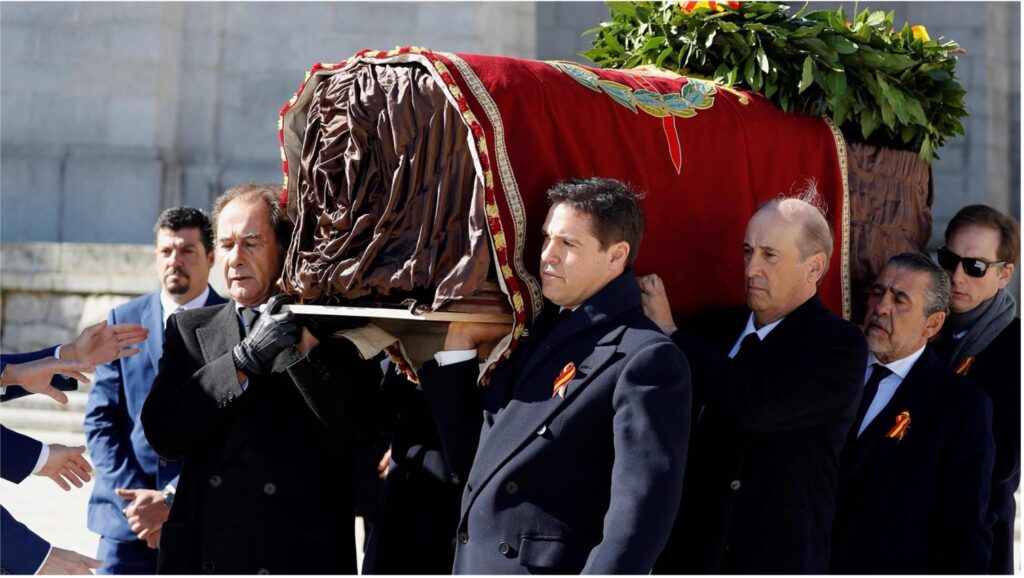
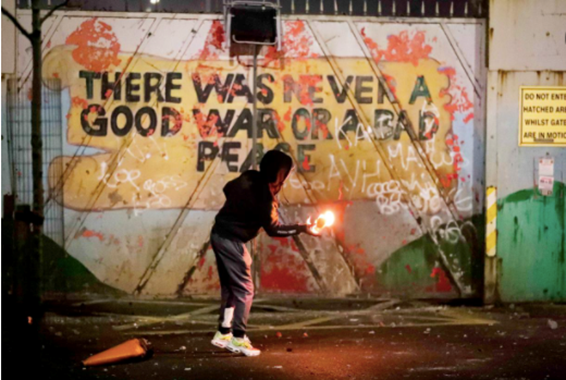
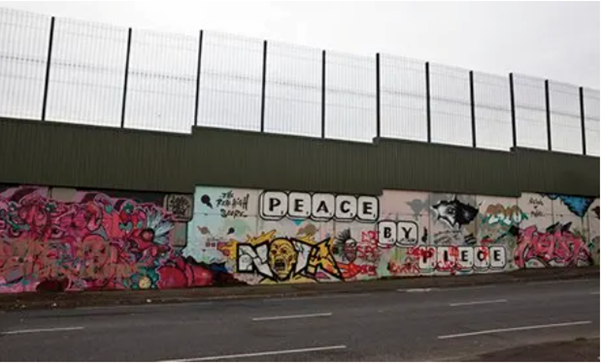


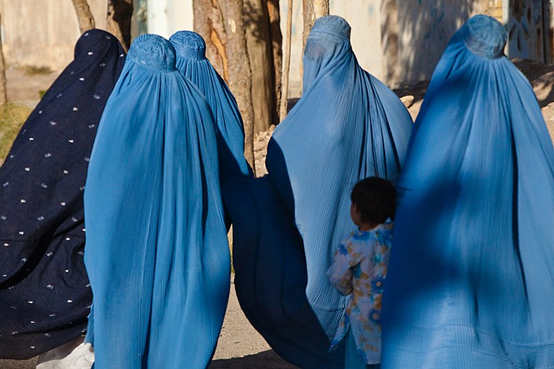
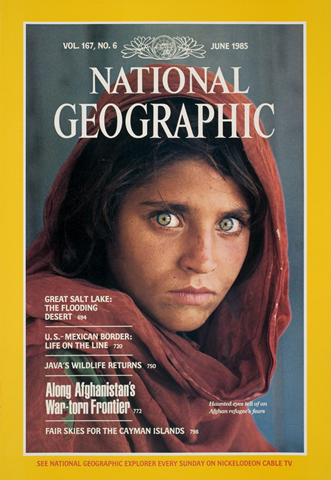

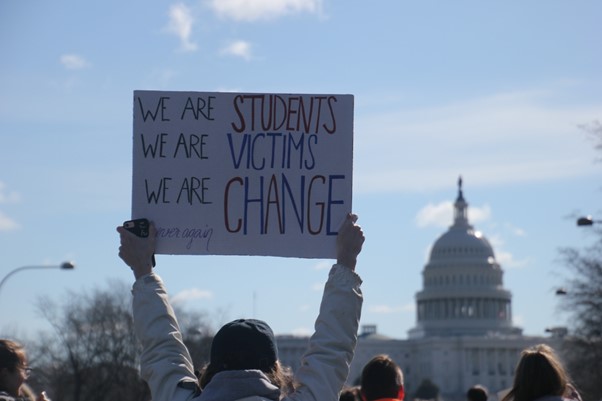


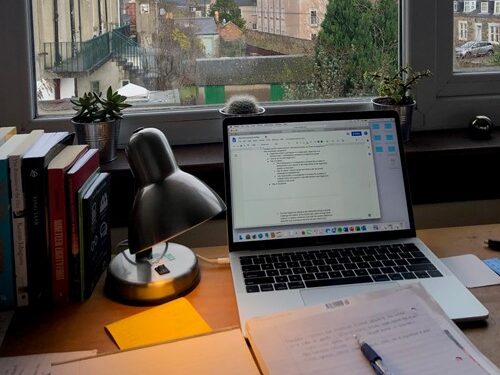
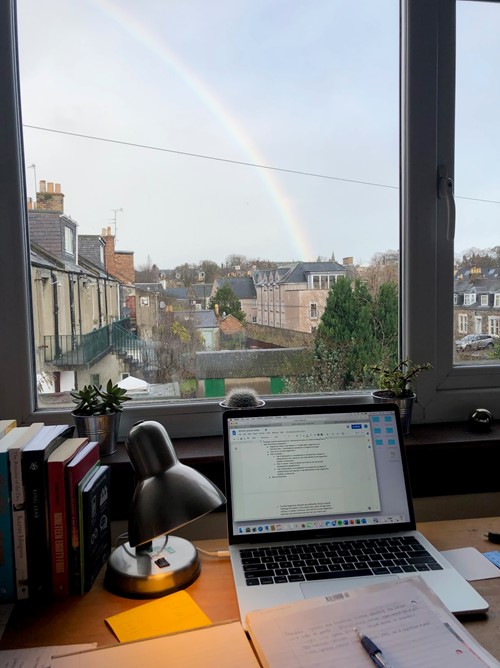
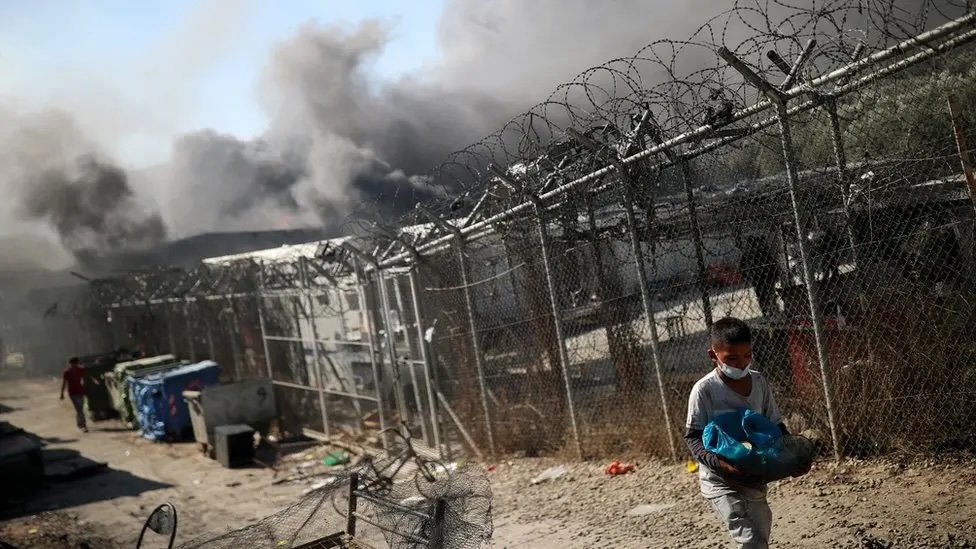

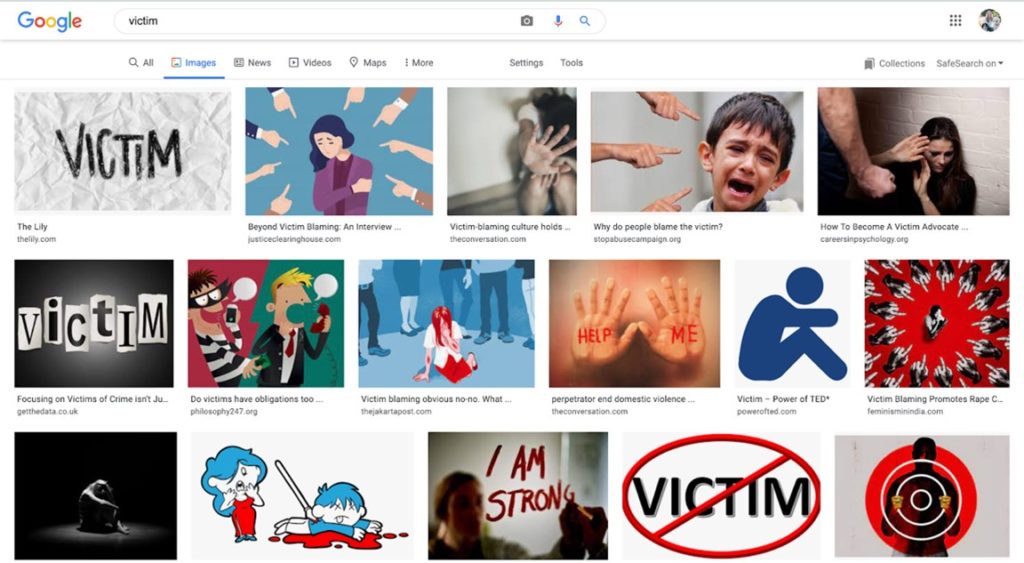


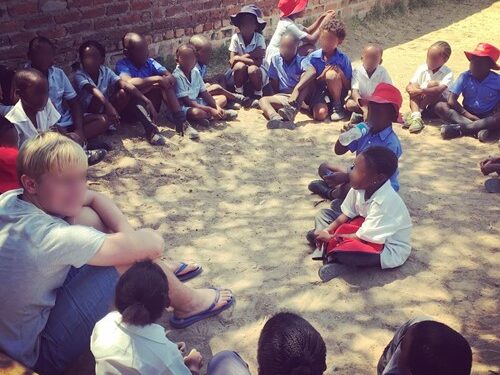
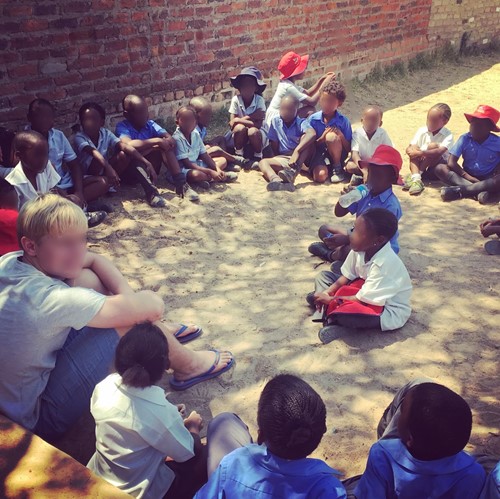

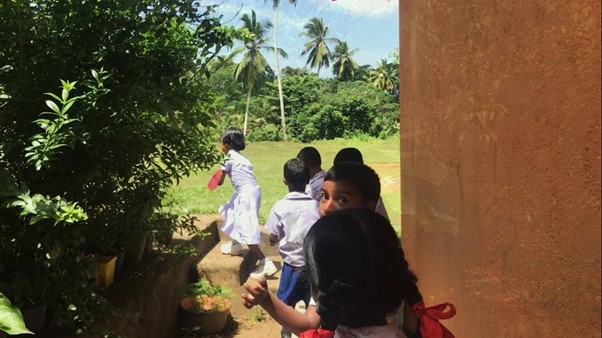

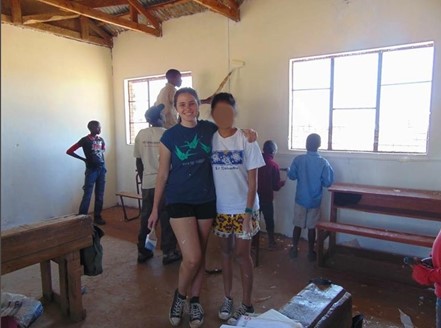
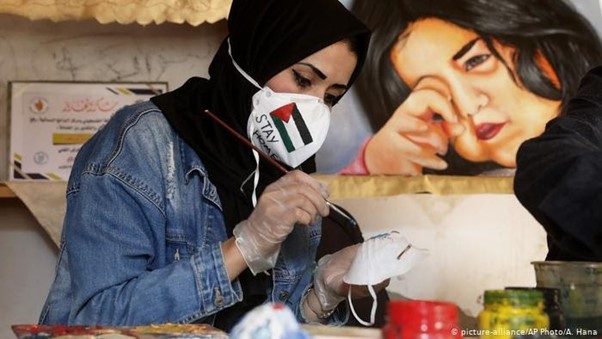

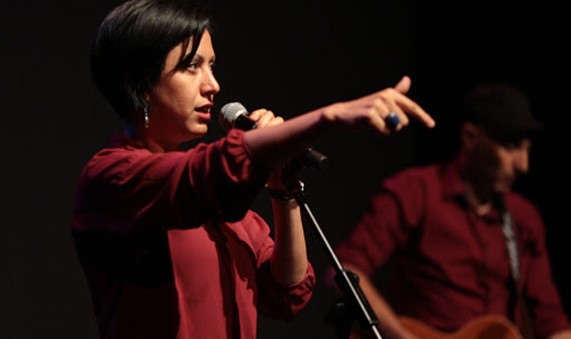

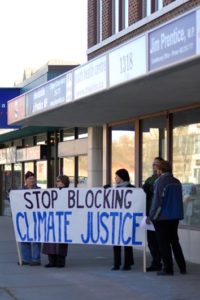
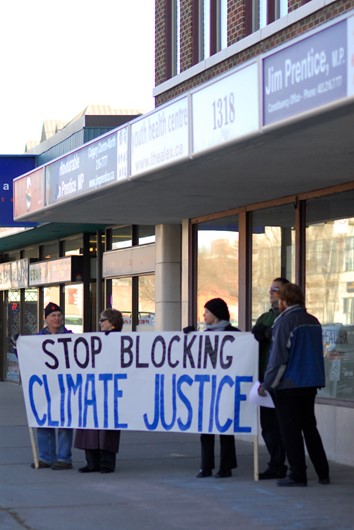
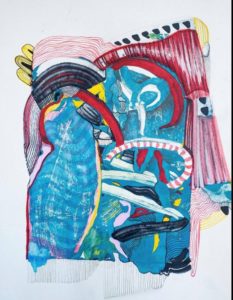
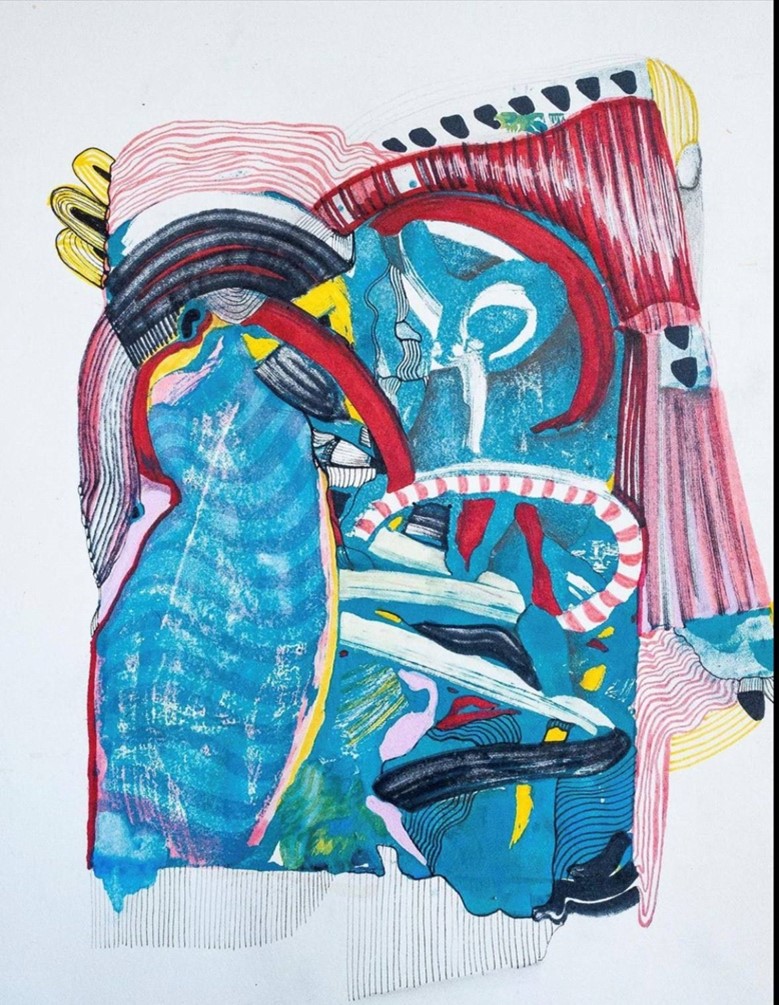


 particular values aimed at restructuring and regulating countries in the global South to prevent conflict and poverty. Liberal peace can be problematic because liberal values, which underpins it and which it seeks to impose (at times forcefully), are Eurocentric and tend to run counter to local values of the global South. While it may no longer be helpful to rely on such overly simplistic dichotomisation of ‘the West’ against ‘the rest’ as polar opposites, which has been blurred by globalisation and the exchange of ideas, it is important to make the distinction between an amicable exchange of ideas and the forceful imposition of specific Western liberal democratic ideals.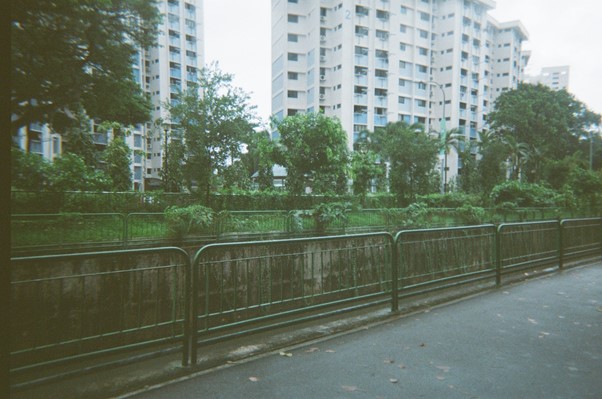
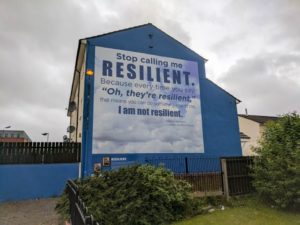
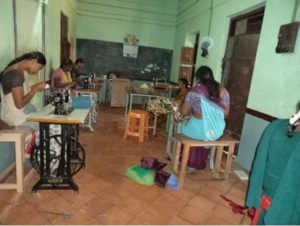
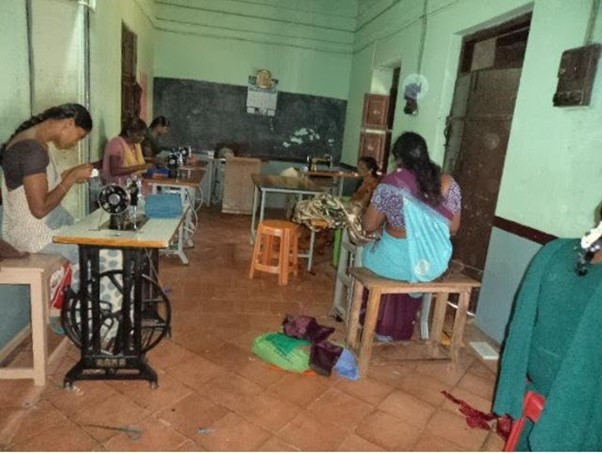
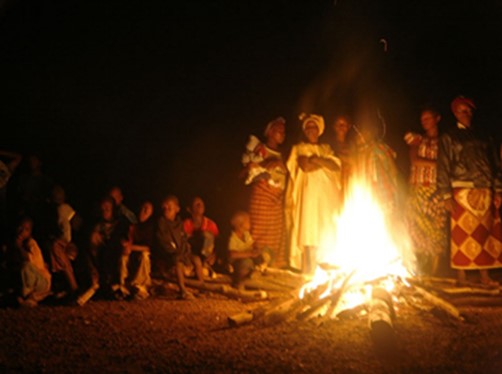
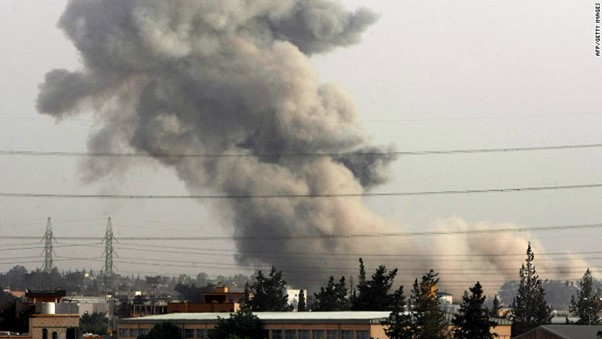


 accusations of trading resources/aid in exchange for sex, participation in sex trafficking operations, and sexual misconduct from the individuals. There is a known correlation between peacekeeping presence and proliferation of sex work/trafficking in the region. The women in question are generally displaced or living in a conflict area, and often are dependent on aid. Peacekeepers in light of this are taking advantage of a vulnerable population who are without choice. This is not ‘boys being boys’ or a simple case of ‘supply and demand’ – it’s exploitation.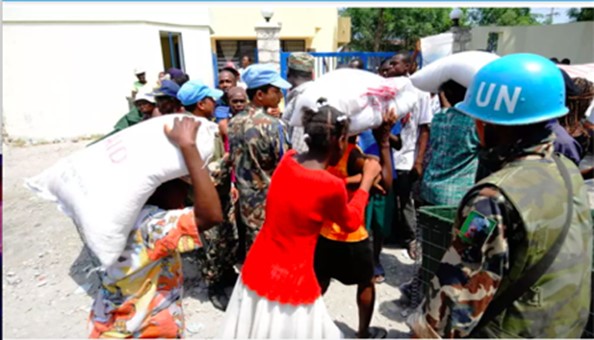
 protecting human rights, provides the UN a moral framework within which their actions are legitimized. Used to buttress intervention in a conflict, UN Peacekeeping forces are the guardians of this noble cause; R2P frames them as forces for good who serve in the interests of civilians’ safety, protecting them from gross violations of their rights. But what happens when those very people who hold such a responsibility are complicit in the crimes against those they swore to protect?
 Description: The official graphic provided by the UN for their Sustainable Development Goals which illustrate how big of a challenge the world faces in working to achieve all of these at the same time. (Source: UN, 2015)
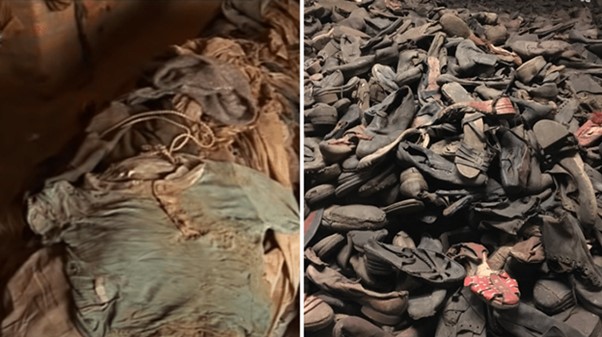
 crises; however, what happens following the conclusion of peacekeeping efforts? Since the Nuremberg and Tokyo Military Tribunals the world has grappled with the need to have an internationally recognized justice system while still respecting a state’s sovereignty. In 2002 the Rome Statute founded the International Criminal Court (ICC) with the mandate of investigating individuals, such as heads of state, for crimes against humanity. Unfortunately, many of the most powerful nations are not signatories; something that has damaged the legitimacy of the ICC on the international stage.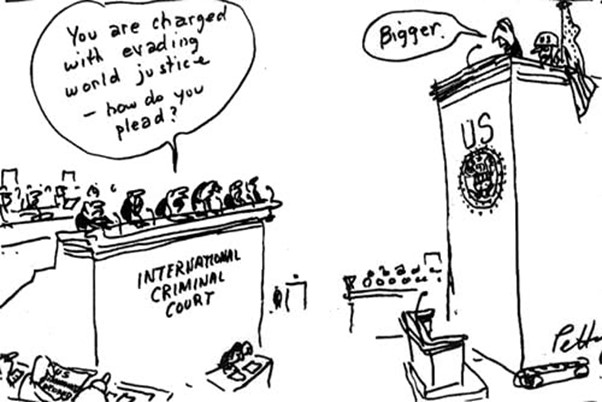
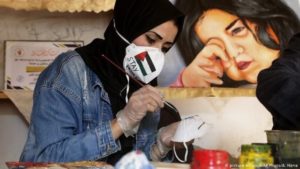
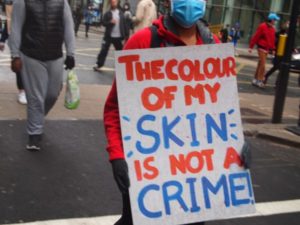
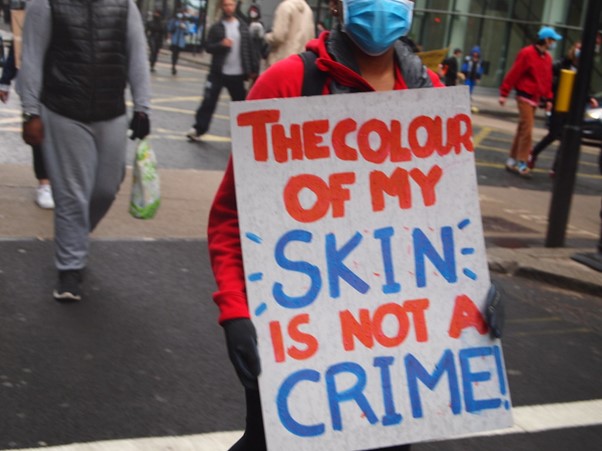
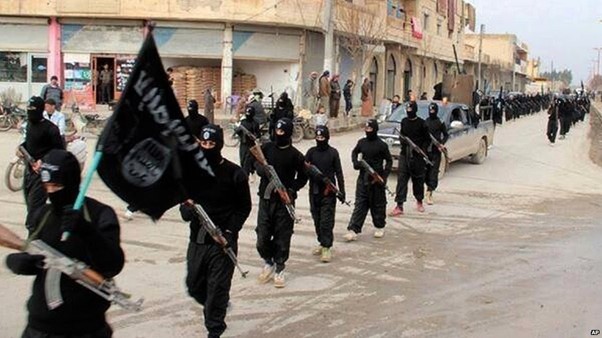
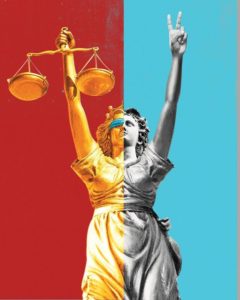
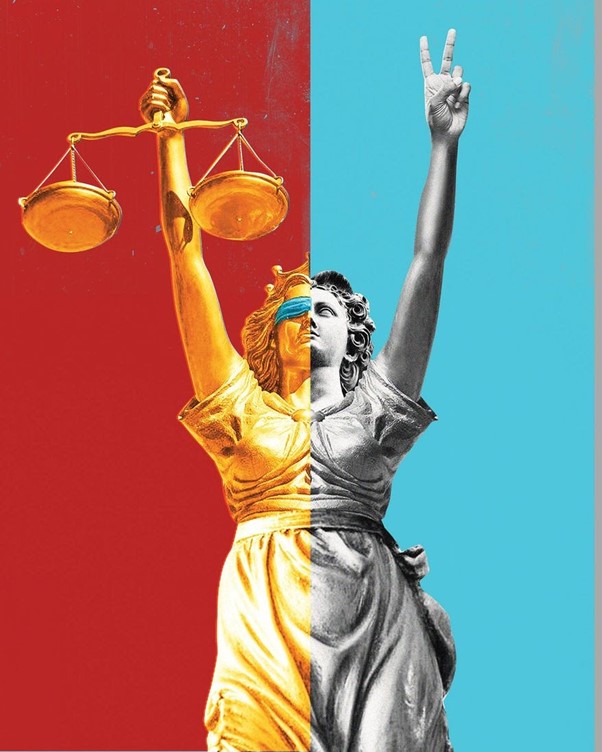
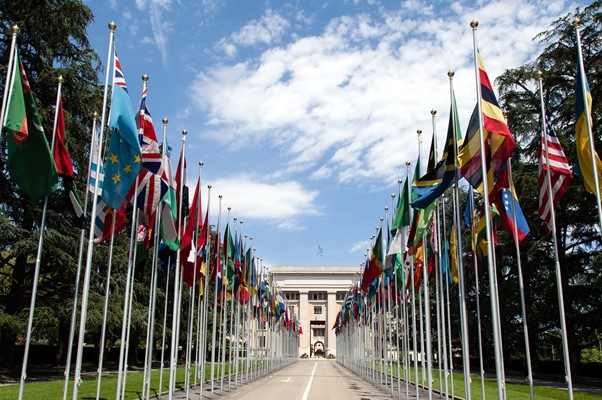
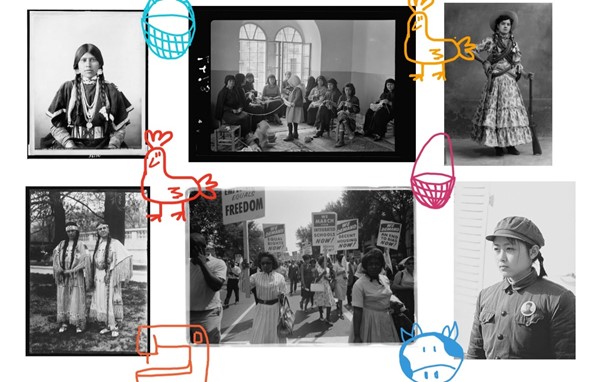
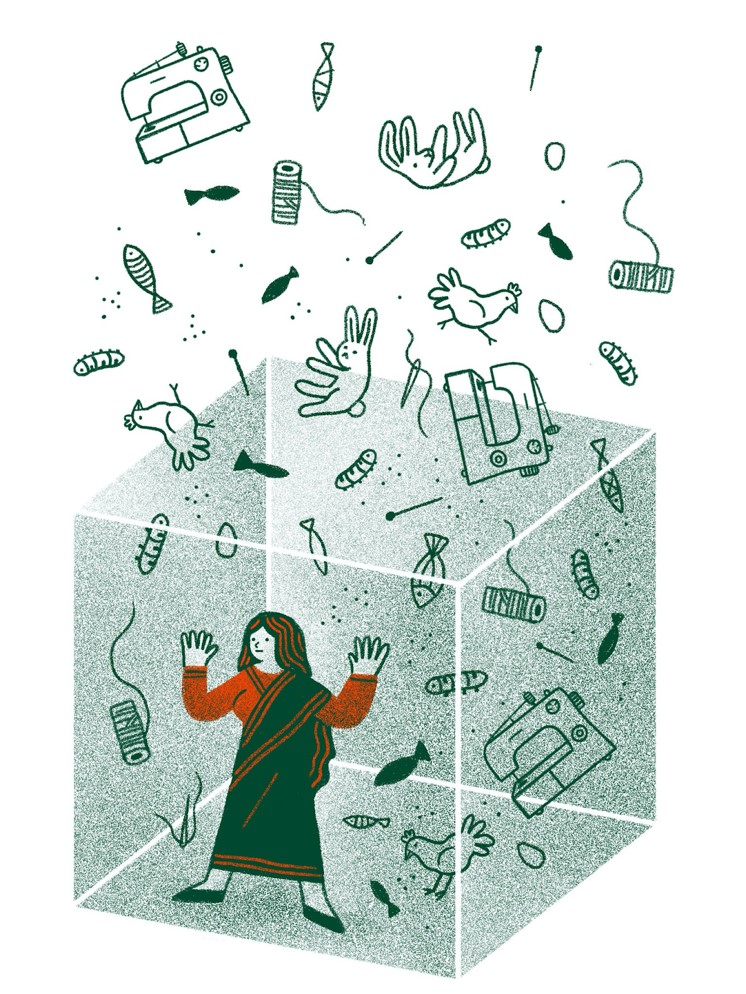
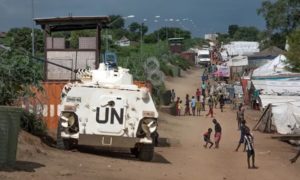
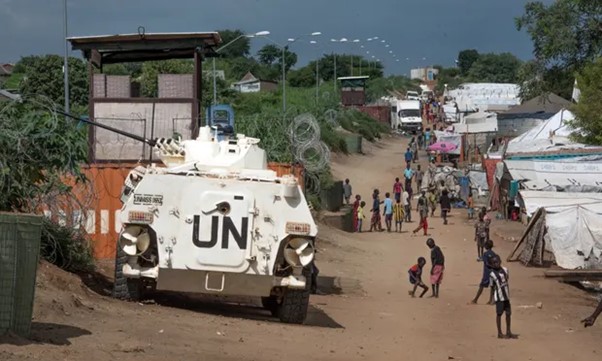
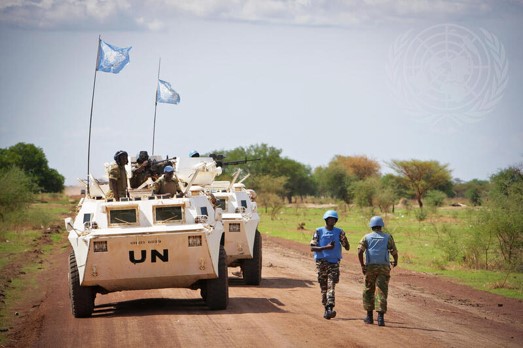
.jpg)