
Dr Norma Rossi (core affiliate) and Agustin Berea (PhD affiliate) co-run a project funded by the Scottish Council on Global Affairs. The project focuses on militarisation of the fight against crime, and lessons for Scotland from domestic militarisation experience around the world. Their project forms part of the SCGA’s State of the World Initiative, which sponsors a series of events and outcomes taking stock of the critical impact that global affairs can have on domestic policy and lived experience in Scotland.
Jump to:


Overview & Project Report
The project leads find that the UK is again at the forefront of a new global phase of intensification and acceleration of militarisation processes, including increased military expenditures, the proliferation of extra-legal and domestic emergency measures as part of counterterrorism efforts, and external military interventions. In terms of its defence industry, for instance, the UK ranks third in Europe, behind Poland and Ukraine, in global arms imports over the past five years. In 2025, the UK secured over £20 billion in defence exports to allies, expected to be the highest since records began over 40 years ago. The intensification and acceleration of militarisation processes in the UK can especially be observed in relation to counter-crime policies, increasingly characterised by the use of military intelligence, the adoption of military tactics and equipment by civilian police, and the use of advanced surveillance technologies.
As the development of political and societal values is intimately connected to the evolution of approaches to crime control, the nexus between militarisation and criminalisation processes directly affects the social, political and legal fabric of the UK. In a globalised world, this influences the UK’s views on international law and governance. It also impacts the armed forces’ relationship with society and their role in power dynamics with other states. Rather than protecting societies from external threats, militaries are increasingly called to intervene internally, prompting questions about their future roles.

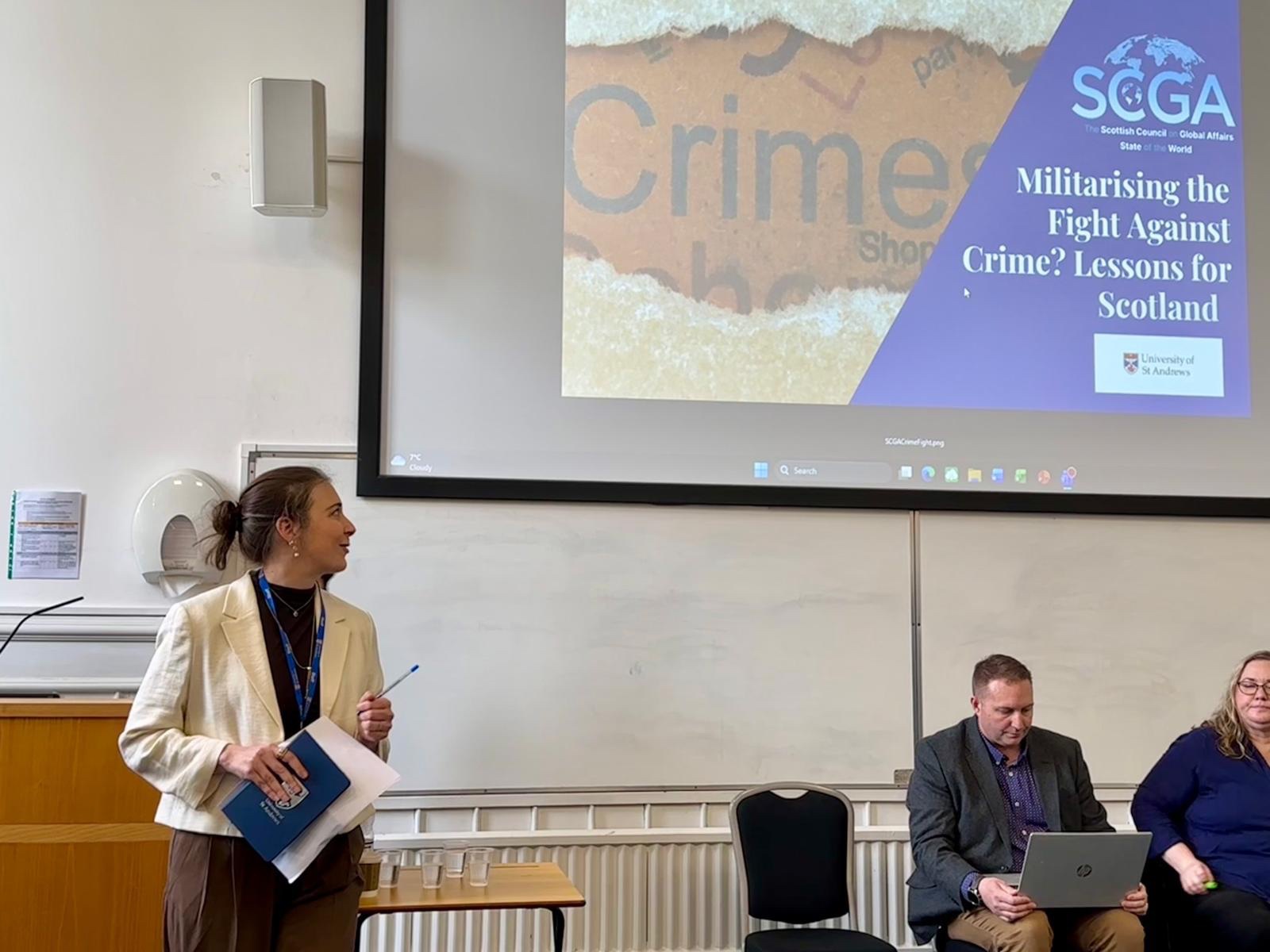
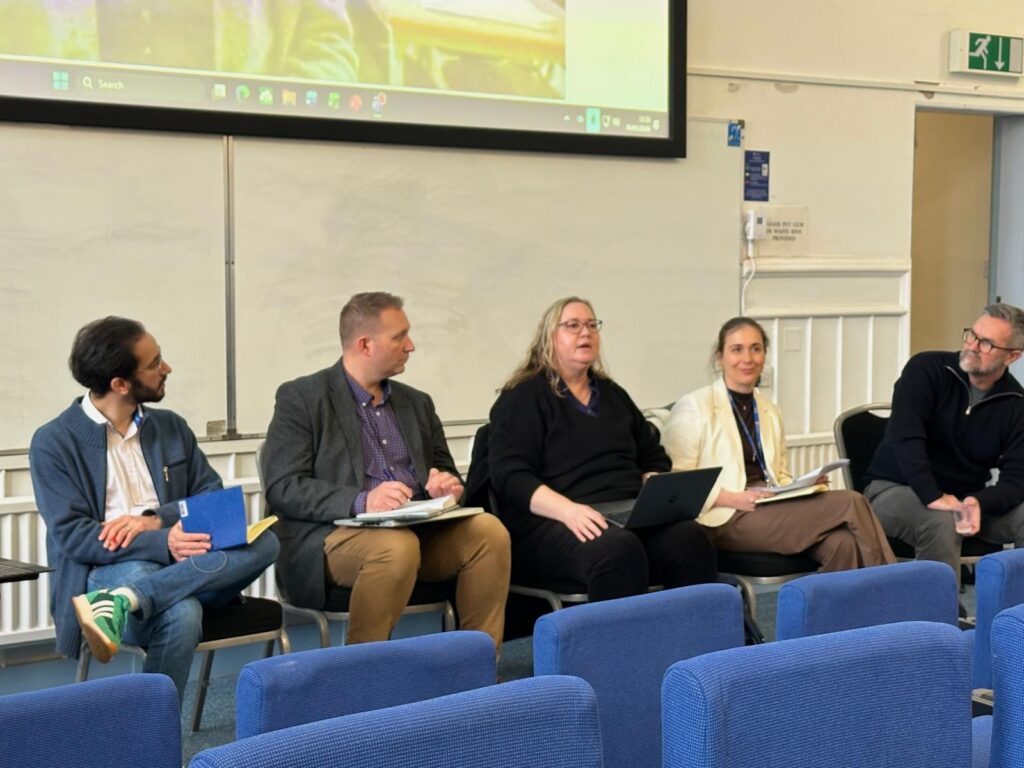
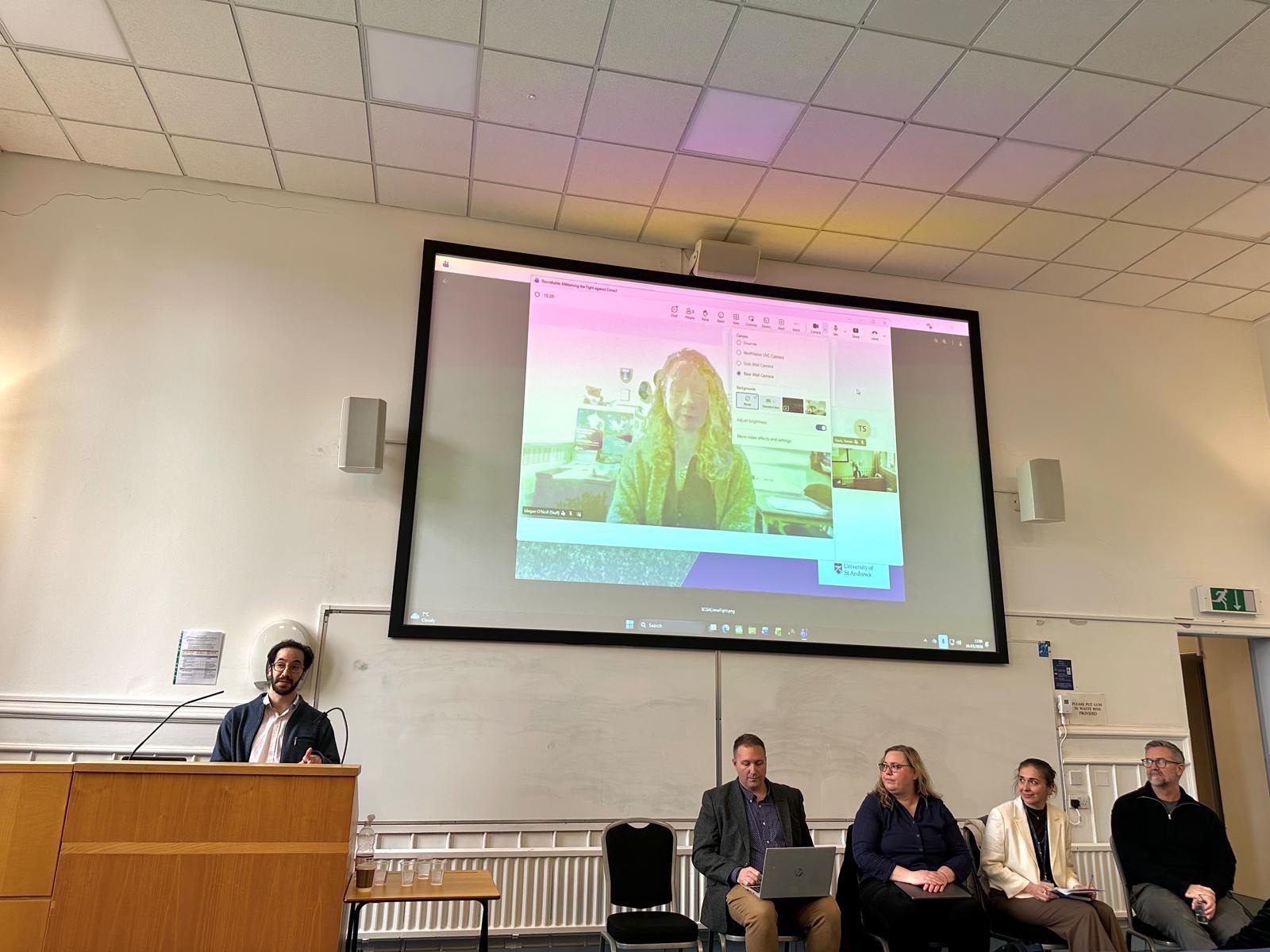
Roundtable Event
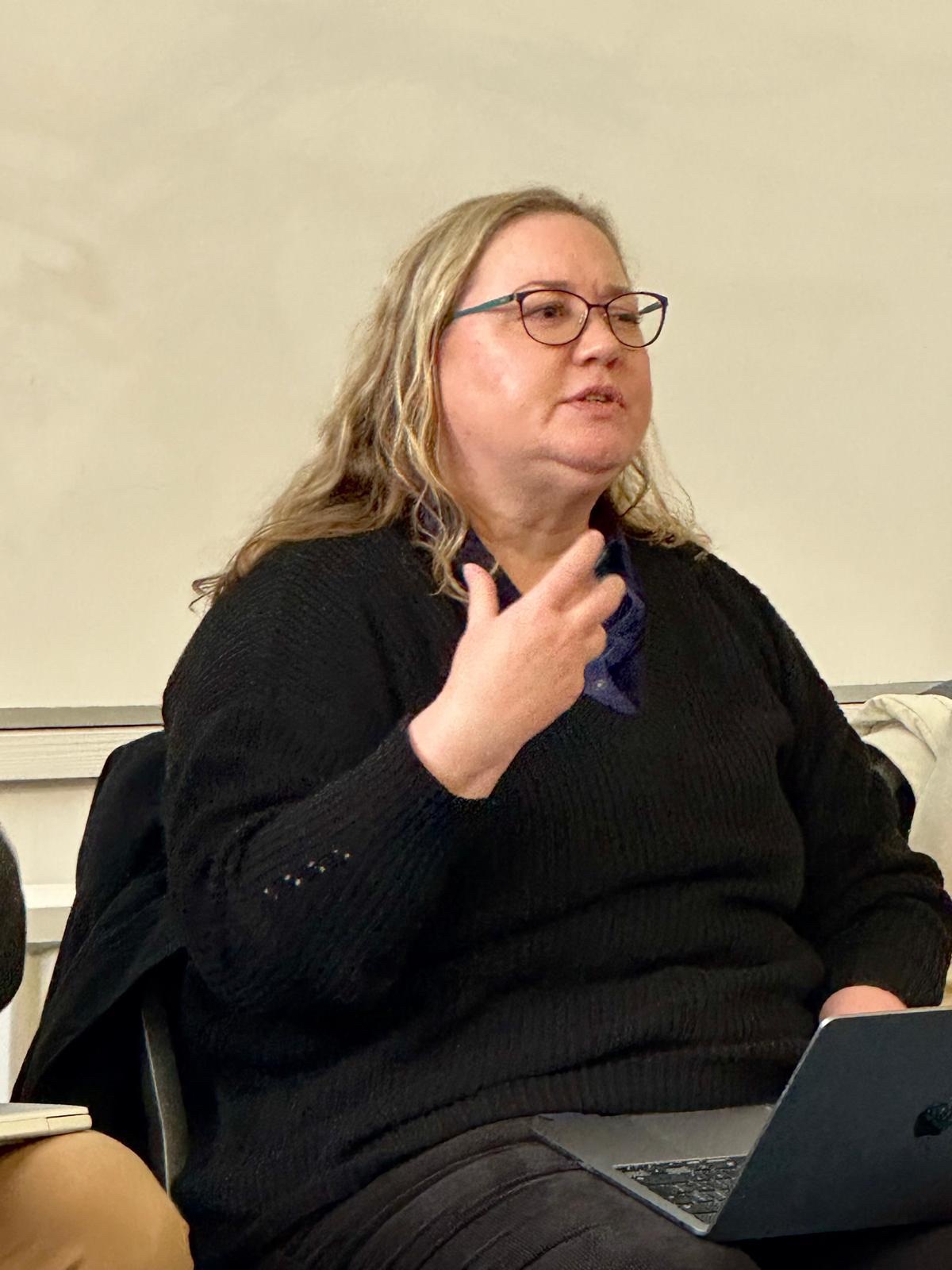
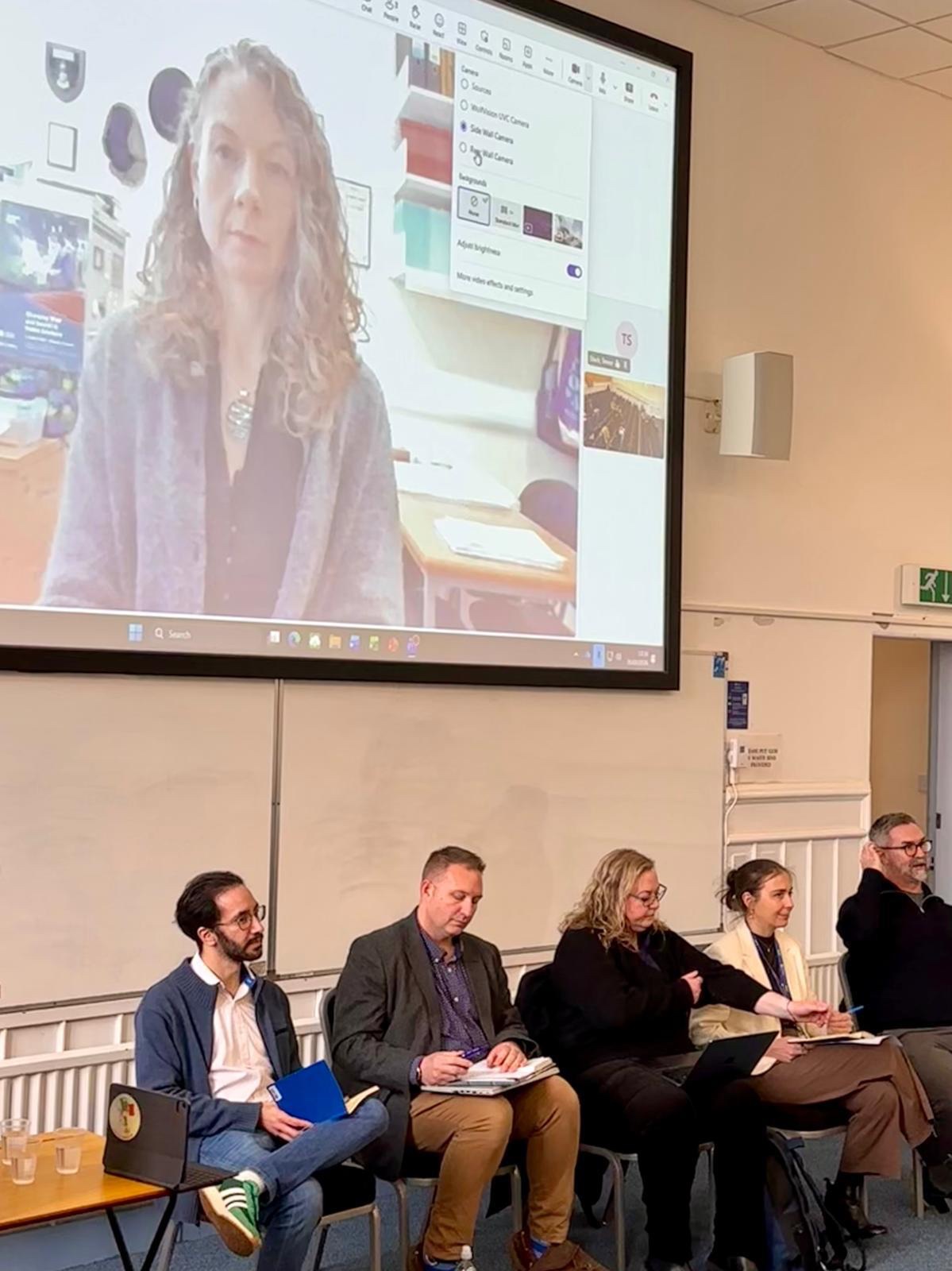
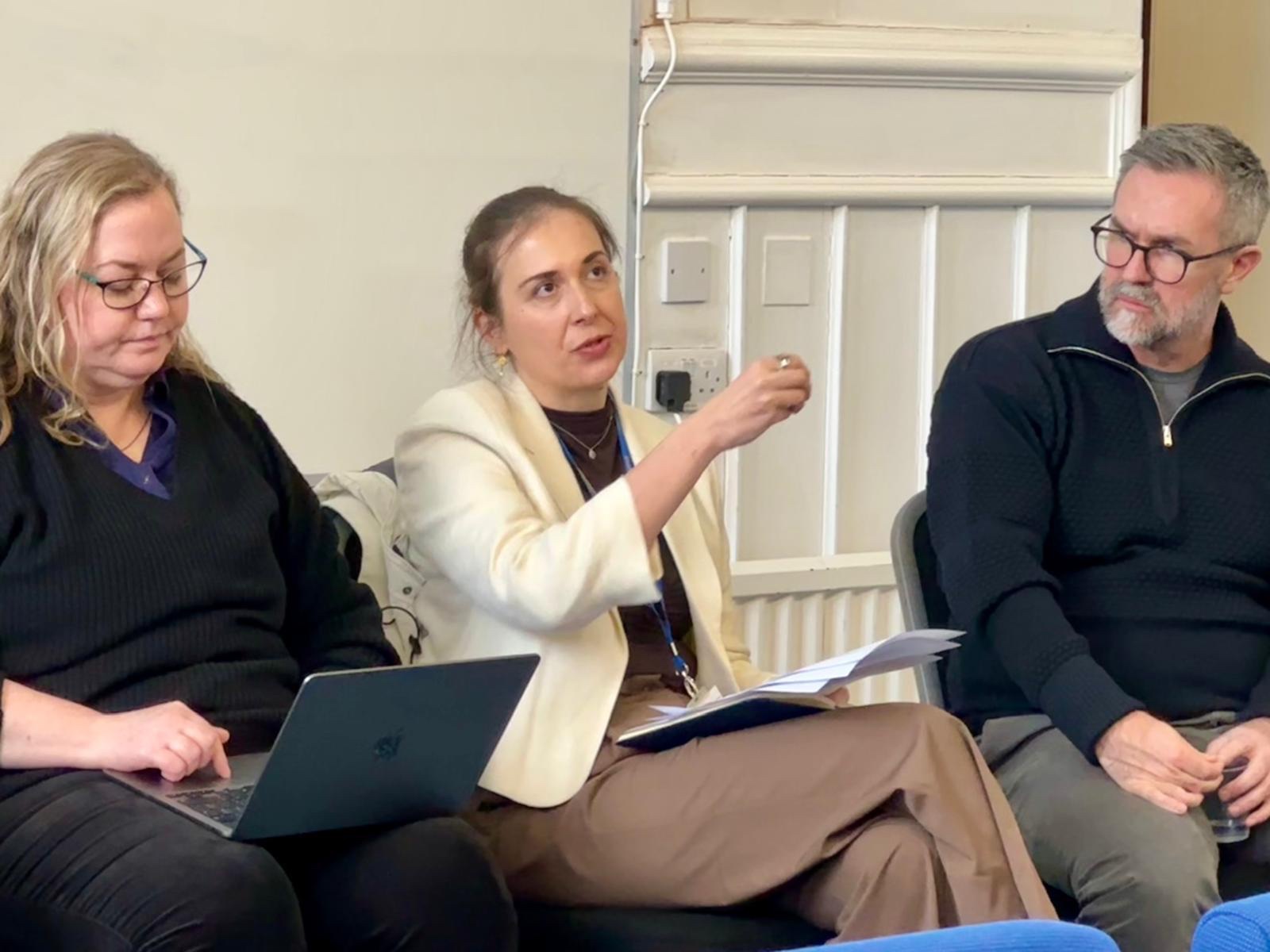
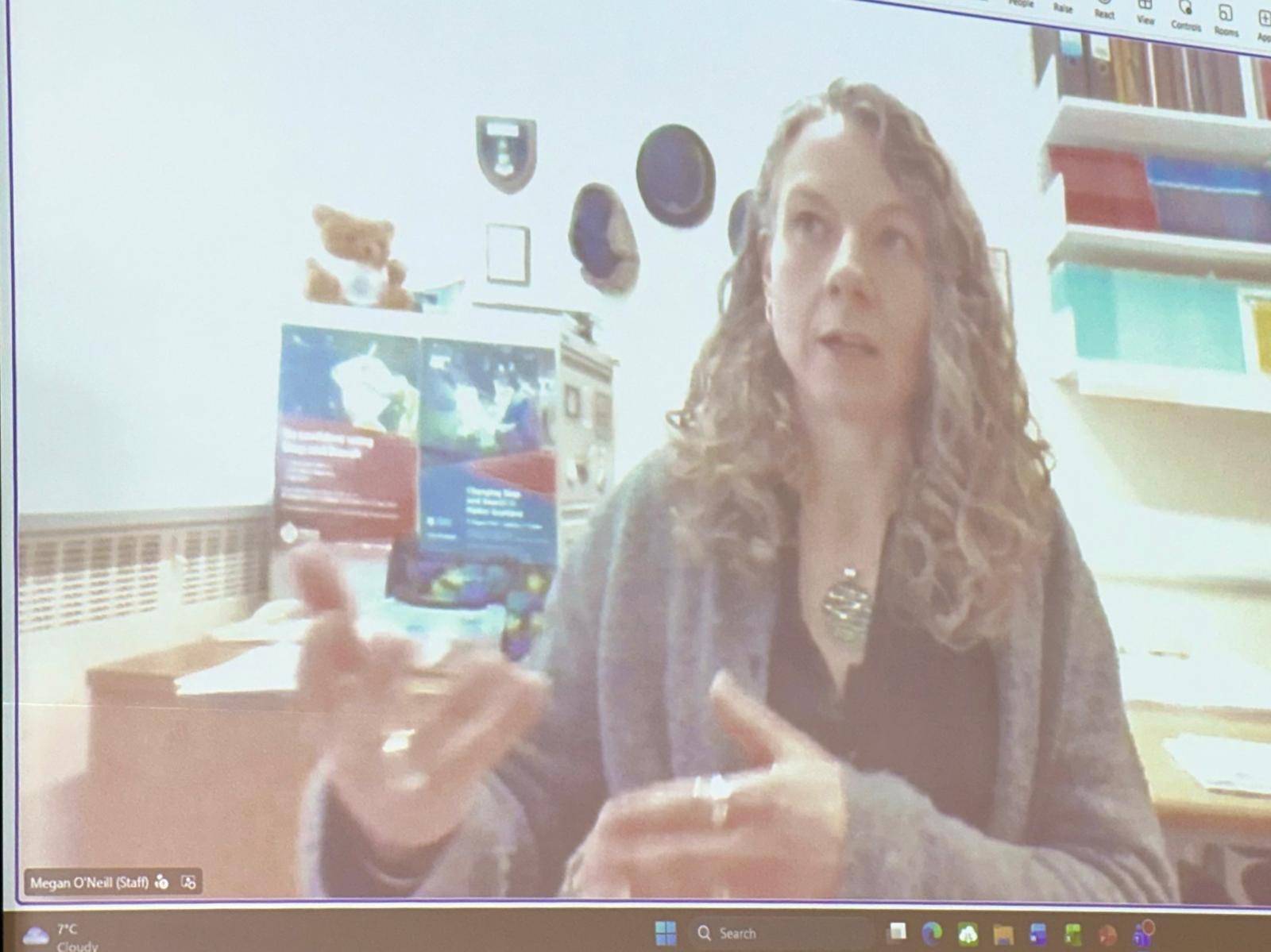
In March 2026, scholars from across Scotland joined a roundtable discussing examining the complex relationships between militarisation and counter-crime policies, both in the UK and abroad. The roundtable incorporated expertise from members of the Scottish Institute for Police Research, the Scottish Centre for Crime and Justice Research and CPCS. The conversation was directly relevant to academics, policymakers, and practitioners in policing, community building, and crime-prevention strategies.
Speakers included:
- Dr Andrew Wooff, Edinburgh Napier University
- Dr Julie Berg, University of Glasgow
- Dr Jaremey McMullin (CPCS Director), University of St Andrews
- Prof Megan O’Neill, University of Dundee
- Dr Norma Rossi (CPCS Core Affiliate), University of St Andrews


Audiovisual Output
View the project’s audio visual output, featuring perspectives from scholars on militarised responses to crime around the world.